Golf Ball Directory
Stymie tracks 110+ active golf ball models from 17 brands, including 50 tour-level balls, each normalized on compression, cover material, feel, and spin profile. TaylorMade SpeedSoft and Wilson Duo Soft share the lowest recorded compression at 35. Use the catalog's construction and positioning fields to create a shortlist, then compare any two with Stymie's clearly labeled launch-model estimates and verify finalists under consistent conditions.
Method and sources: this is a normalized specification directory, not a same-condition robot ranking. 110 of 110 current rows have a dated catalog source label, and 110 have a manufacturer product reference on file. Manufacturer compression tests and marketing categories are not universal, so Stymie distinguishes recorded specifications from positioning and estimates.
Latest included source review: .
Best ball for...
Reference charts
Browse by manufacturer
Showing 110 of 110 balls
Bridgestone
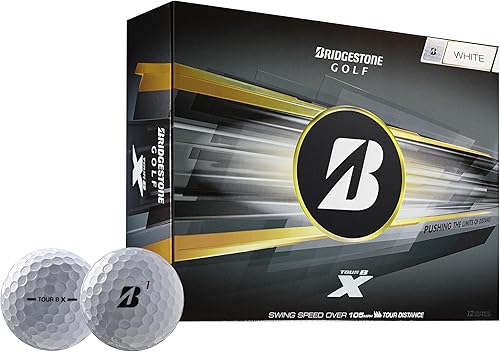
Tour B X
Maximum tour distance for players above 105 mph.
TourComp 95Urethane3-piecefirm feellow spinTour B XS
Soft tour feel and maximum control for players above 105 mph.
TourComp 85Urethane3-piecemedium feelmid spin
 Callaway
Chrome Tour
Balanced tour speed, flight, feel, and greenside control.
TourComp 75Urethane4-piecemedium soft feelmid spin Callaway
Chrome Tour Triple Diamond
Penetrating tour flight with high speed and reduced full-shot spin.
TourUrethane4-piecemedium firm feellow spin Callaway
Chrome Tour X
Firmer tour feel with higher flight and more full-shot spin.
TourComp 85Urethane4-piecemedium firm feelmid spin Cut Golf
Cut Blue
Softer-feel variant of Cut DC.
TourComp 85Urethane4-piecemedium feelmid spin- Cut Golf
Cut DC
Direct-to-consumer 4-piece urethane.
TourComp 95Urethane4-piecemedium firm feelmid spin Kirkland Signature
V2.0
4-piece urethane Costco ball.
TourComp 100Urethane4-piecemedium firm feelmid spin
 Maxfli
Tour
Direct-to-consumer 4-piece tour urethane.
TourComp 88Urethane4-piecemedium feelmid spin Maxfli
Tour S
Softer-feel variant of the Tour.
TourComp 75Urethane4-piecesoft feelmid spin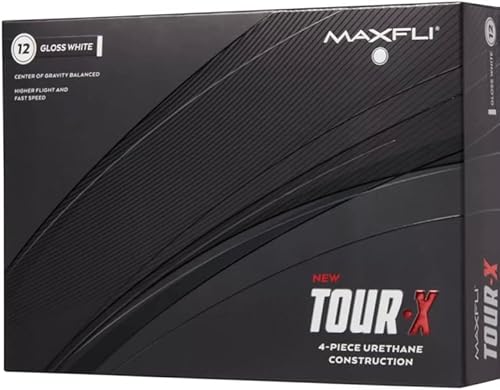 Maxfli
Tour X
Higher launch firmer-feel tour ball.
TourComp 97Urethane4-piecefirm feellow spin- Maxfli
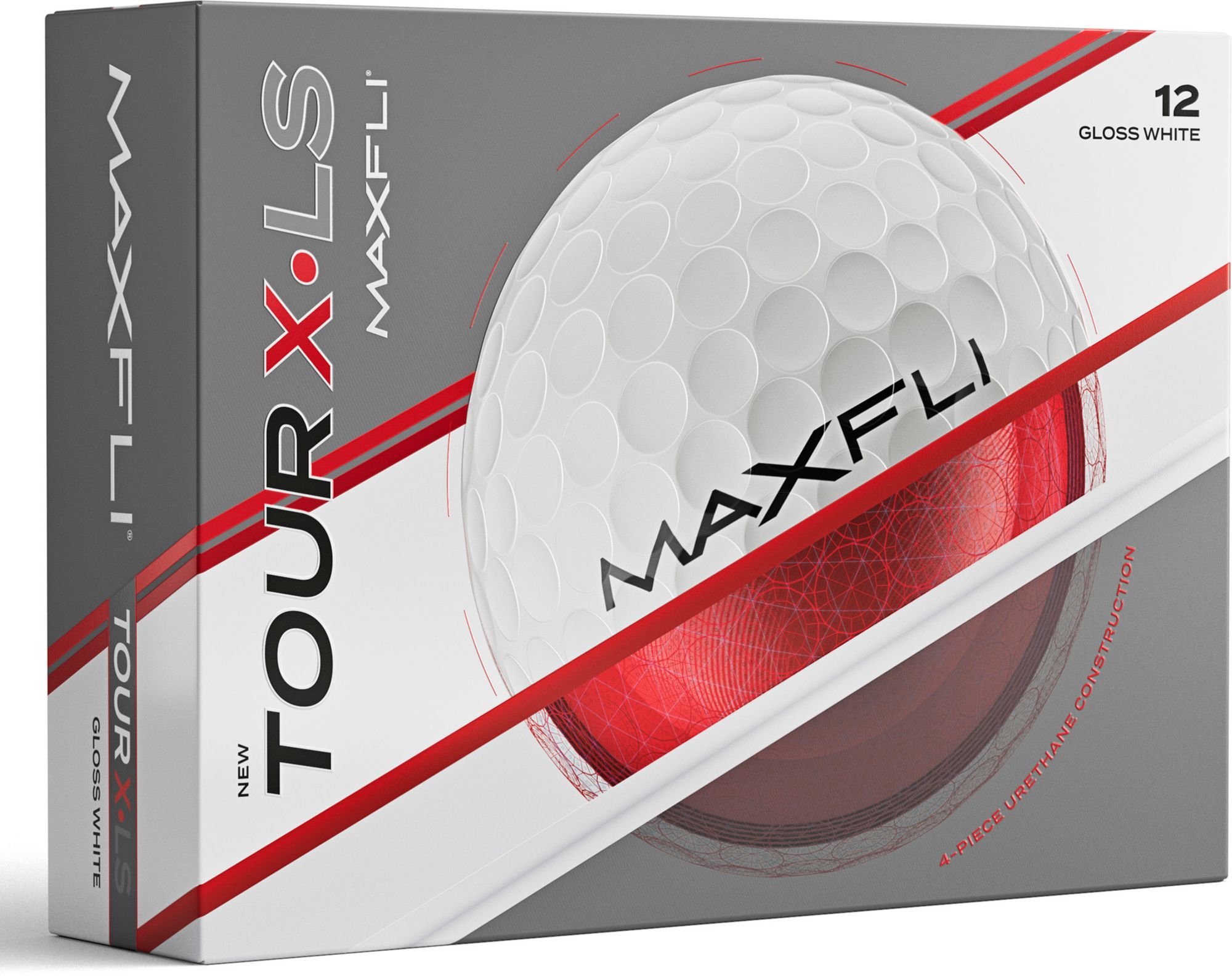
Tour X LS
Four-piece low-spin tour ball with a cast urethane cover.
TourUrethane4-piecefirm feellow spin 
Mizuno
Mizuno Pro S
Mizuno mid-compression tour ball with AXIALFLOW dimples.
TourComp 90Urethane3-piecemedium soft feelhigh spin
Mizuno Pro X
Mizuno high-compression tour ball with low driver spin.
TourComp 100Urethane3-piecesoft feelhigh spin
RB Tour
C-Dimple aerodynamics with 4-piece tour construction.
TourComp 110Urethane4-piecefirm feelmid spin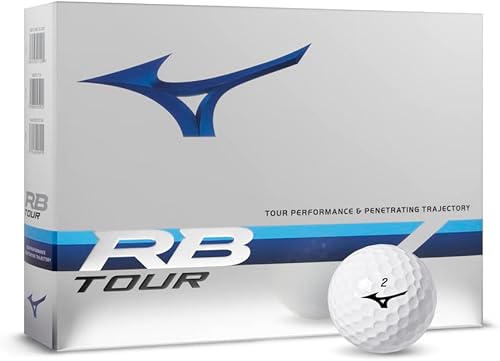
RB Tour Pro
3-piece tour ball with cast-urethane cover.
TourComp 95Urethane3-piecemedium feelmid spin
RB Tour X
Higher swing speed variant of RB Tour.
TourComp 110Urethane4-piecefirm feellow spinOnCore
ELIXR
Perimeter-weighted urethane tour ball.
TourComp 80Urethane3-piecemedium feelmid spinVERO X1
Four-piece tour construction with low driver spin and strong wedge control.
TourComp 85Urethane4-piecefirm feelmid spinVERO X2
A firmer, higher-flying VERO with very low driver spin.
TourComp 95Urethane4-piecefirm feelmid spinVERO XP1
3-piece cast urethane tour ball, 85 compression.
TourComp 85Cast Urethane3-piecemedium feelmid spinPXG
Xtreme Tour
Fast, penetrating tour performance with lower driver spin.
TourUrethane3-piecesoft feellow spinXtreme Tour X
Firmer tour feel with higher launch and more spin than Xtreme Tour.
TourUrethane3-piecefirm feelhigh spin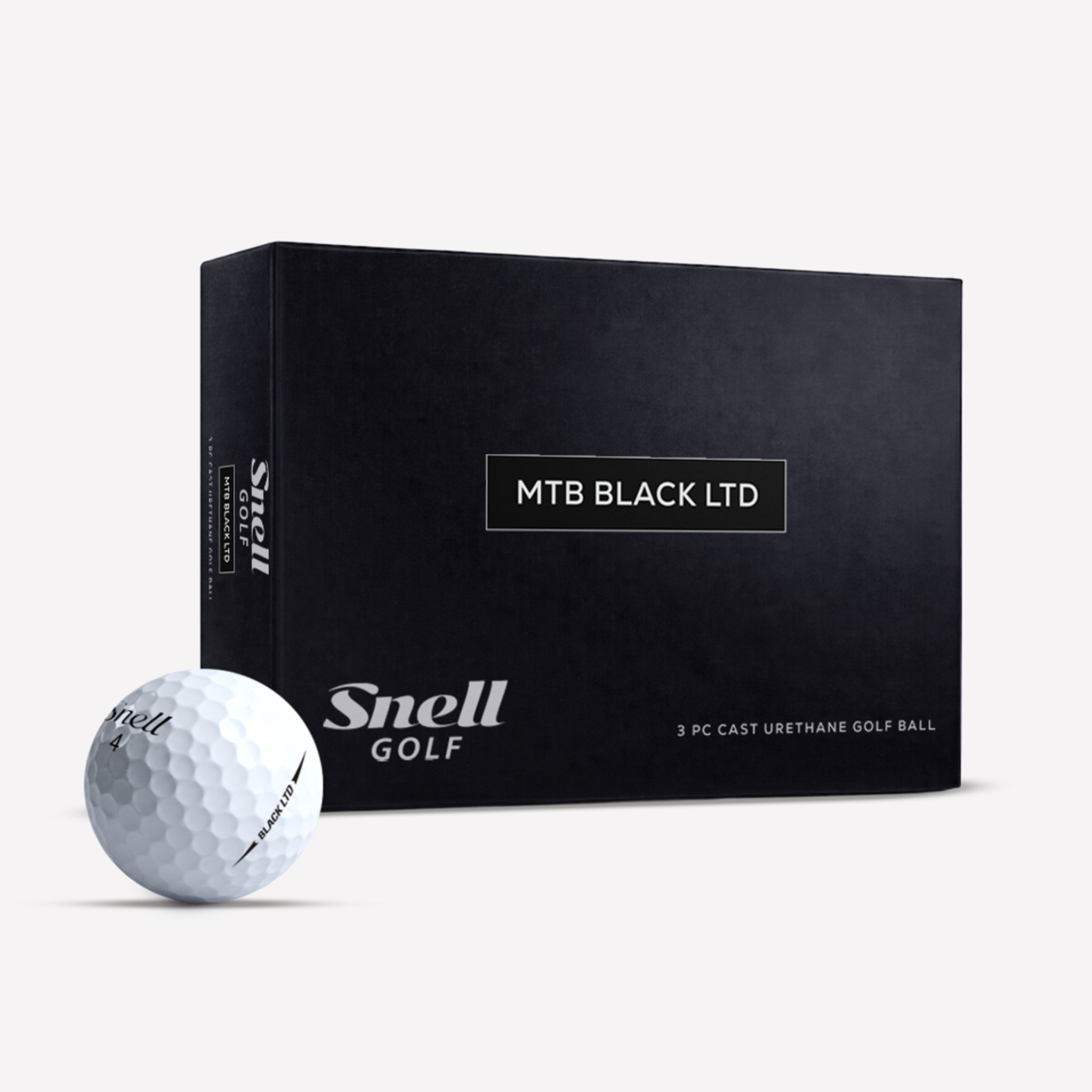
 Snell
SnellMTB Black LTD
Back by demand. Built for inside 100.
TourComp 85Cast Urethane3-piecemedium feelmid spin- Snell
PR3
3-piece urethane tour ball with Snell’s TPU-X cover.
TourUrethane3-piece - Snell
PR4
4-piece urethane tour ball with Snell’s TPU-X cover.
TourUrethane4-piece 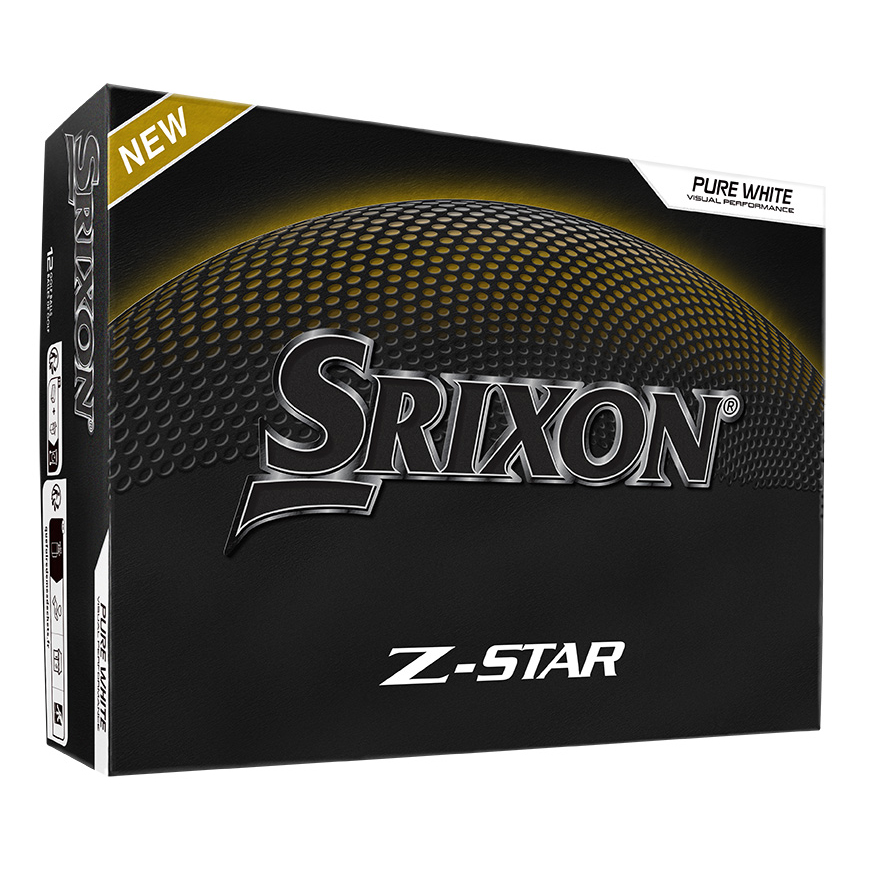
Srixon
Z-Star
Most popular ball among Korean and Japanese tour pros.
TourComp 90Urethane3-piecemedium feelmid spin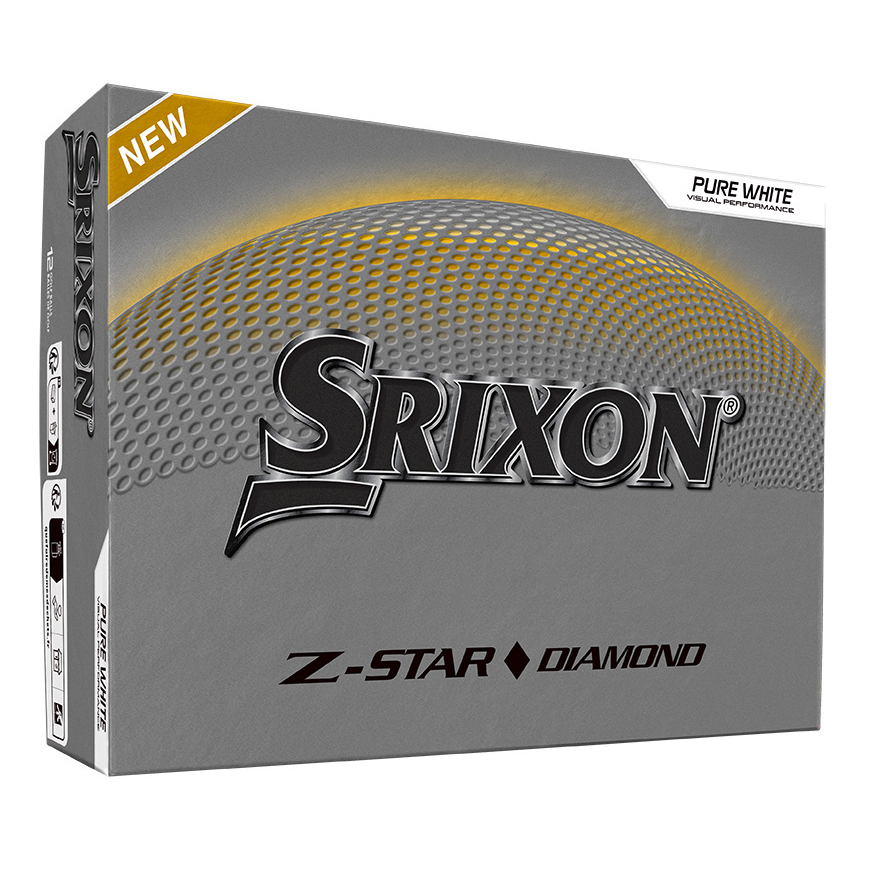
Z-Star Diamond
Higher iron spin and lower driver spin than Z-Star.
TourComp 95Urethane4-piecemedium firm feelmid spin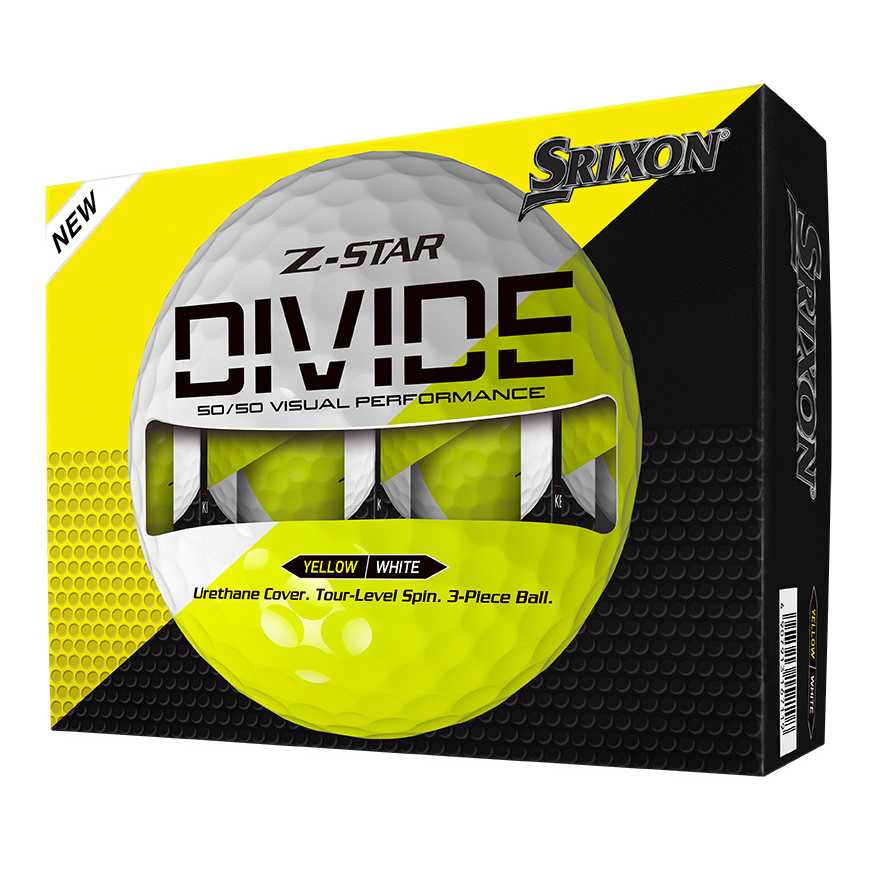
Z-Star Divide
Two colors. One tour ball.
TourComp 88Urethane3-piecemedium feelmid spin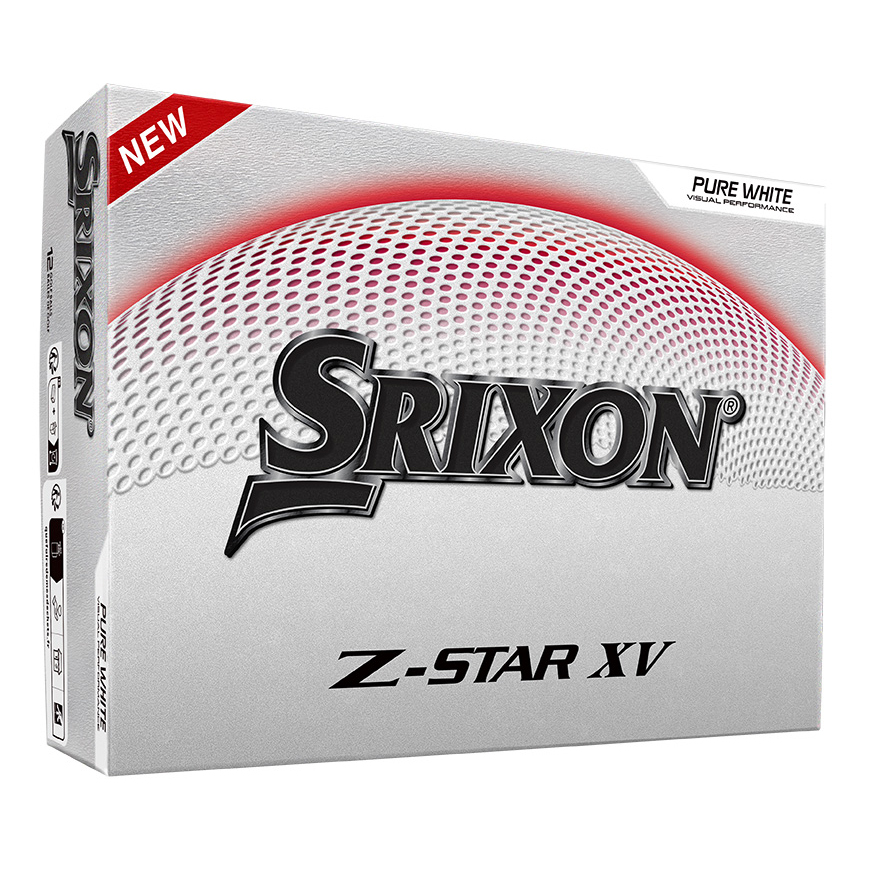
Z-Star XV
Faster, longer 4-piece variant.
TourComp 102Urethane4-piecefirm feelmid spin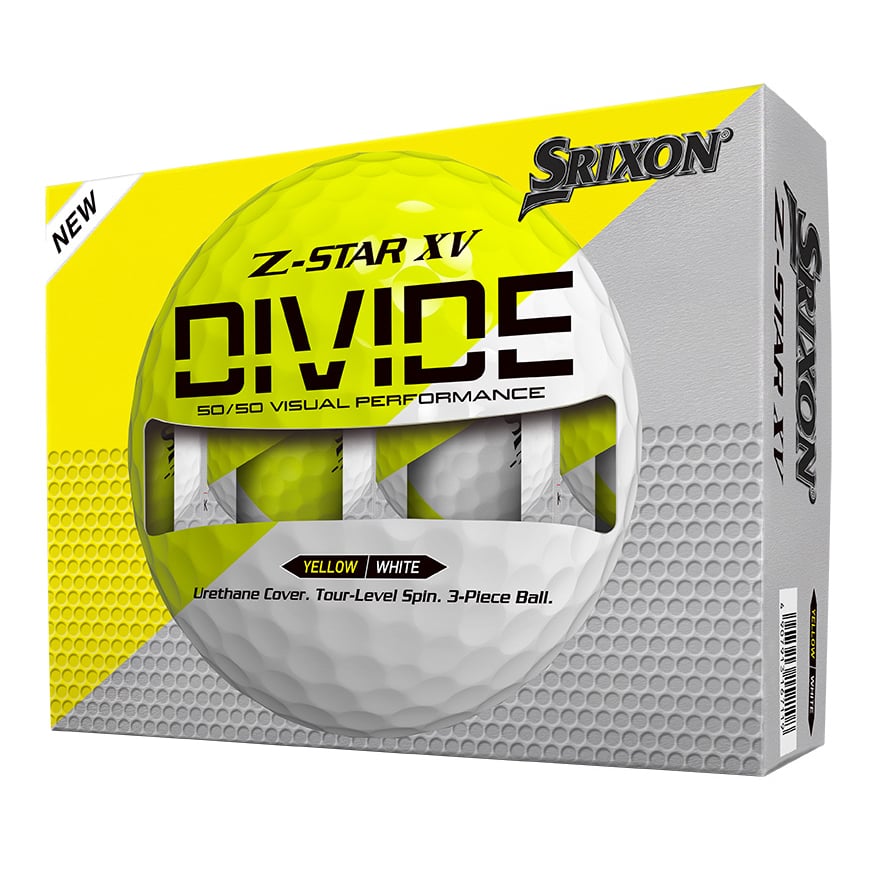
Z-Star XV Divide
The firmest Divide.
TourComp 102Urethane3-piecefirm feelmid spin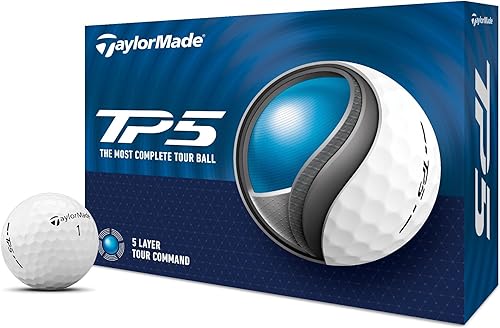
 TaylorMade
TP5
5-layer construction for tour-level all-around performance.
TourComp 83Urethane5-piecemedium feelmid spin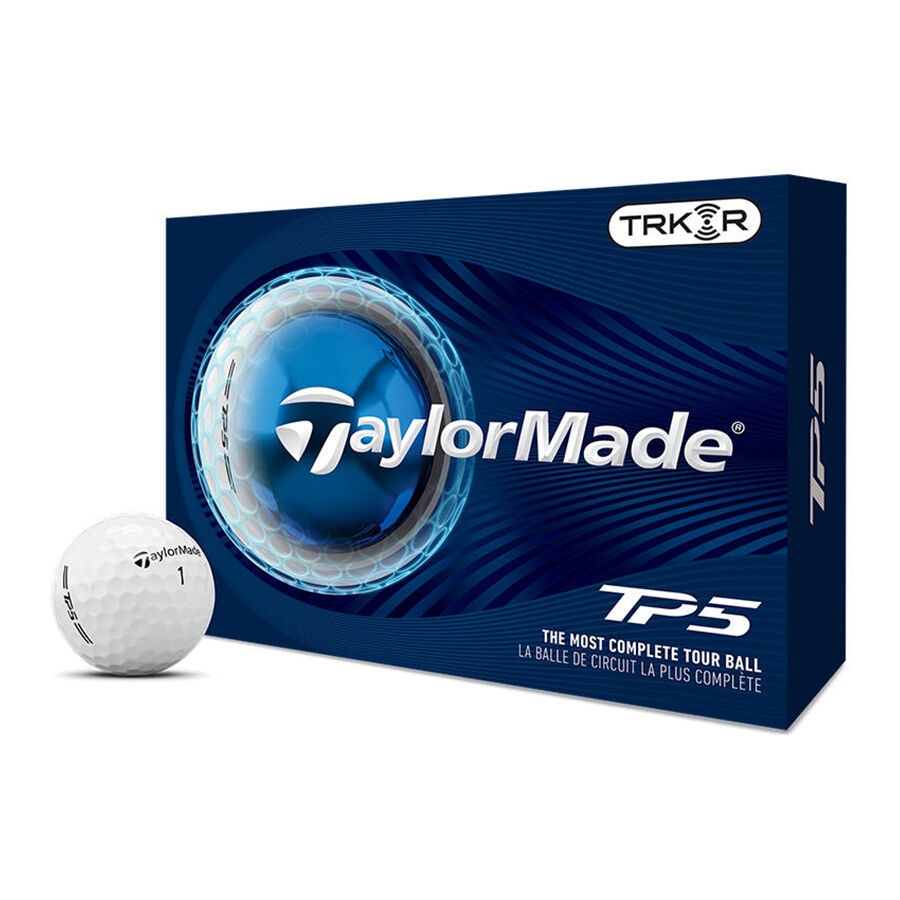 TaylorMade
TP5 TRK-R
The TP5 built to be seen by radar.
TourUrethane5-piecemedium feelmid spin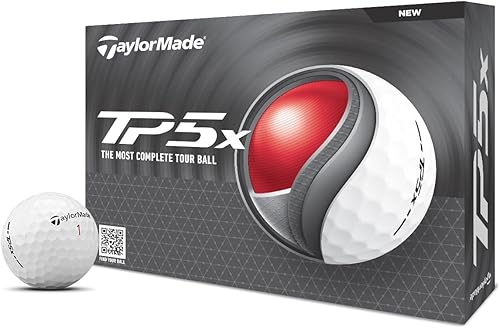 TaylorMade
TP5x
5-layer firm-feel tour ball with maximum distance.
TourComp 97Urethane5-piecefirm feellow spin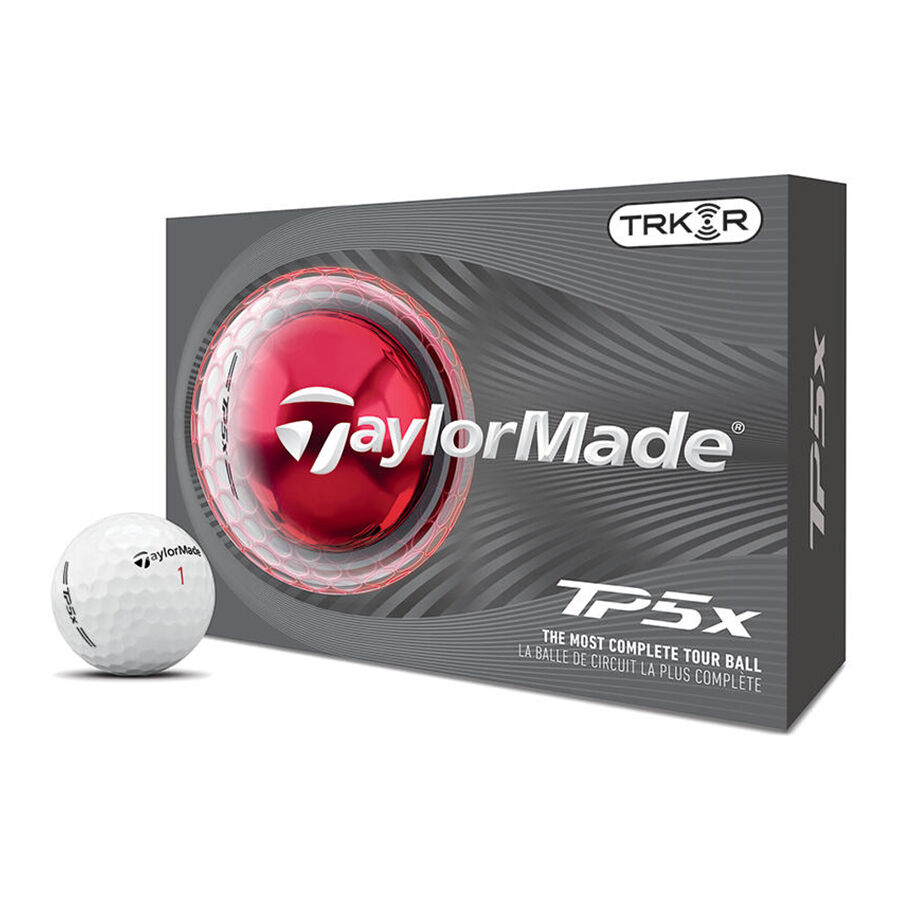 TaylorMade
TP5x TRK-R
TP5x, radar-visible for indoor sim play.
TourUrethane5-piecefirm feellow spin
Titleist
AVX
Tour performance with a softer feel and lower trajectory.
TourComp 75Urethane3-piecesoft feellow spin
Pro V1
The most-played ball on the PGA Tour.
TourComp 88Urethane3-piecemedium feelmid spin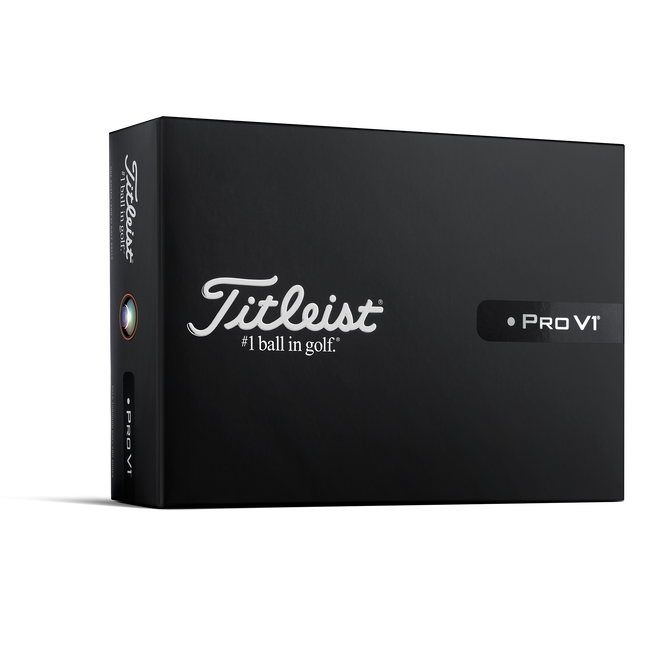
Pro V1 Left Dot
352 dimples, a lower flight, once a year.
TourUrethane3-piecemedium feellow spin
Pro V1 RCT
A Pro V1 with an embedded radar-reflective marker for launch monitors.
TourComp 88Urethane3-piecemedium feelmid spin
Pro V1x
Higher launch and more spin than Pro V1.
TourComp 103Urethane4-piecemedium firm feelmid spin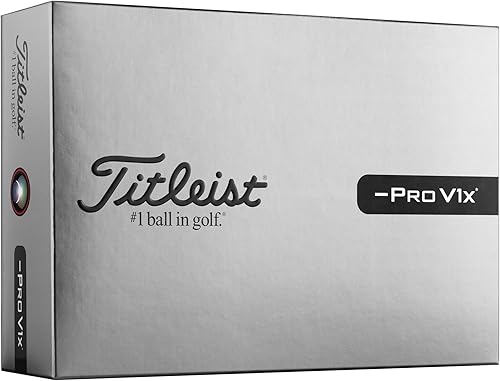
Pro V1x Left Dash
Pro V1x with lower long-game spin for fast swing speeds.
TourComp 107Urethane4-piecefirm feellow spin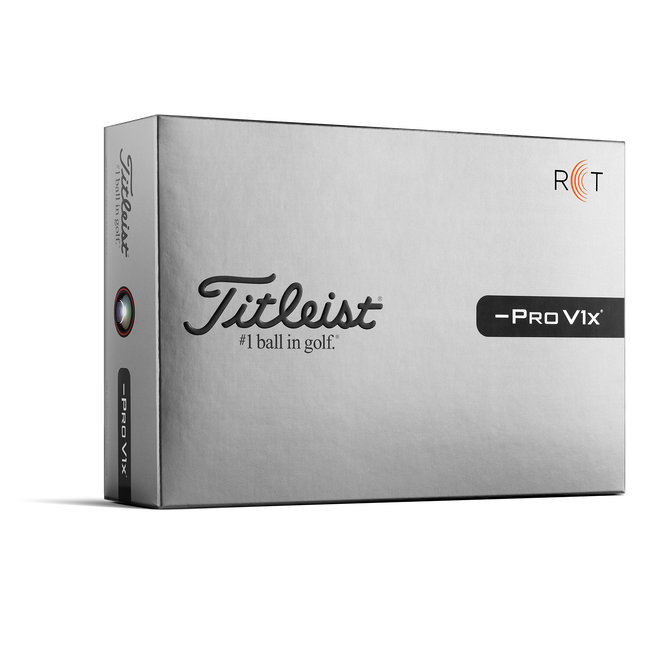
Pro V1x Left Dash RCT
Left Dash spin, now readable by radar.
TourUrethanefirm feellow spin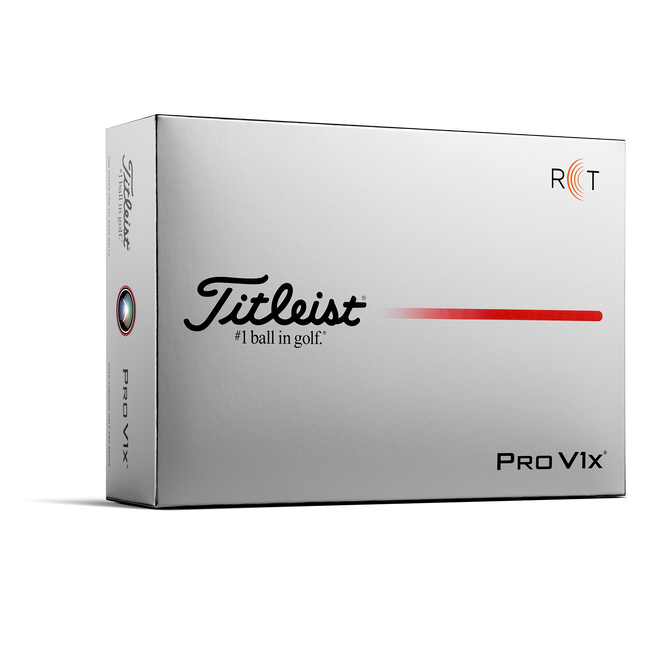
Pro V1x RCT
A Pro V1x with an embedded radar-reflective marker for launch monitors.
TourComp 103Urethane4-piecemedium firm feelmid spinTour Edge
Exotics
TourUrethane3-piecelow spin
Vice
Pro
3-piece tour ball at a direct-to-consumer price.
TourComp 75Urethane3-piecemedium feelmid spin
Pro Plus
Direct-to-consumer 4-piece tour ball.
TourComp 95Urethane4-piecemedium firm feelmid spin
 Wilson
Staff Model
Wilson's tour-firm 4-piece.
TourComp 90Urethane4-piecefirm feelmid spin- Wilson
Staff Model R
3-piece urethane tour ball with raw cover.
TourComp 88Urethane3-piecemedium feelmid spin - Wilson
Staff Model X
Four-piece tour ball with a thin cast urethane cover.
TourComp 100Urethane4-piecefirm feelmid spin 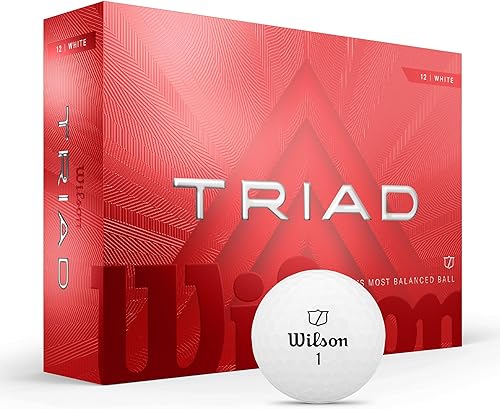 Wilson
Triad
High-MOI 4-piece tour ball.
TourComp 95Urethane4-piecemedium firm feelmid spin
Tour B RX
Tour-level distance optimized for swings below 105 mph.
PremiumComp 66Urethane3-piecesoft feelmid spinTour B RXS
Soft tour feel and additional greenside spin below 105 mph.
PremiumComp 60Urethane3-piecesoft feelhigh spin Callaway
Chrome Soft
Soft feel meets tour performance.
PremiumComp 75Urethane4-piecesoft feelmid spin- Cut Golf
Cut Grey
Three-piece urethane Cut ball.
PremiumComp 80Urethane3-piecemedium soft feelmid spin 3-Piece Urethane
Costco's 3-piece urethane at a cult price.
PremiumComp 95Urethane3-piecemedium feelmid spin- Snell
Prime 2.0
An unusually affordable two-piece urethane ball for moderate swing speeds.
PremiumUrethane2-piecesoft feelmid spin 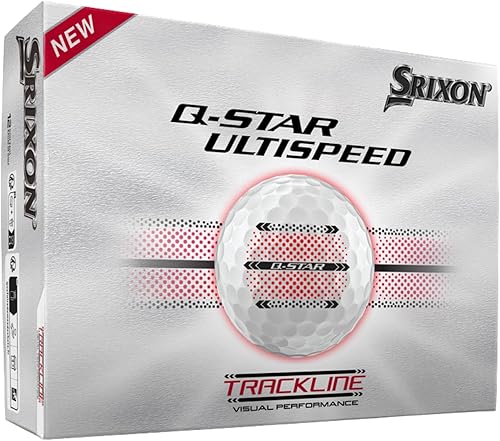
Q-Star
Best-value urethane ball.
PremiumComp 75Urethane3-piecemedium soft feelmid spin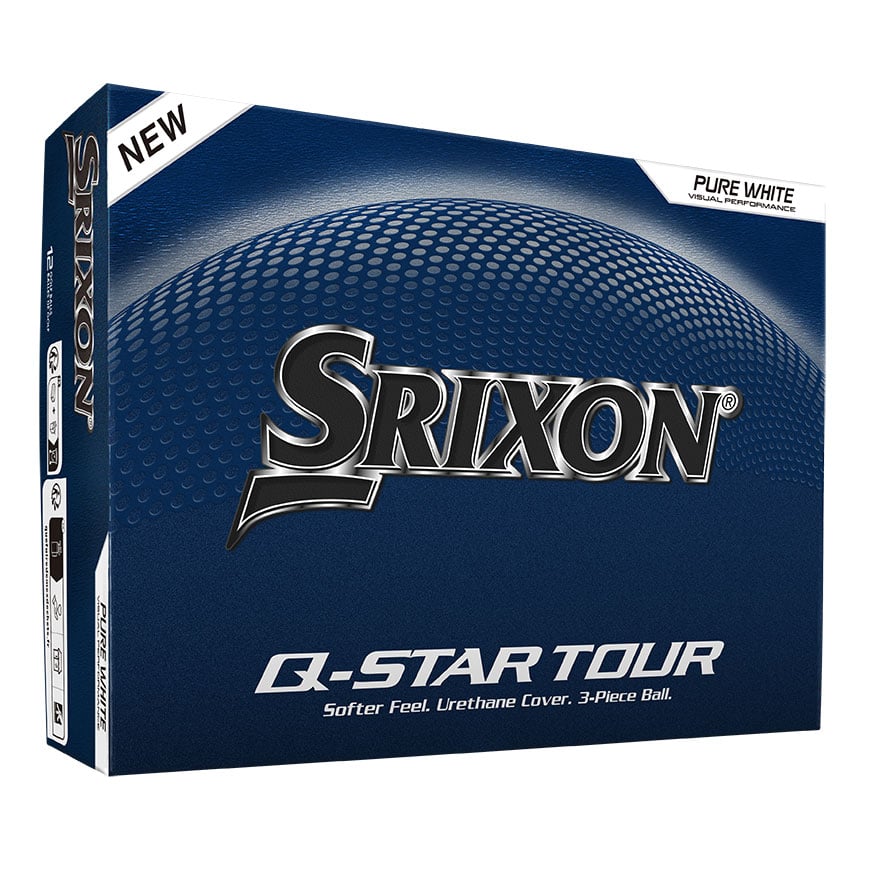
Q-Star Tour
Tour-caliber urethane control in a softer, moderate-compression package.
PremiumComp 74Urethane3-piecemedium soft feelmid spin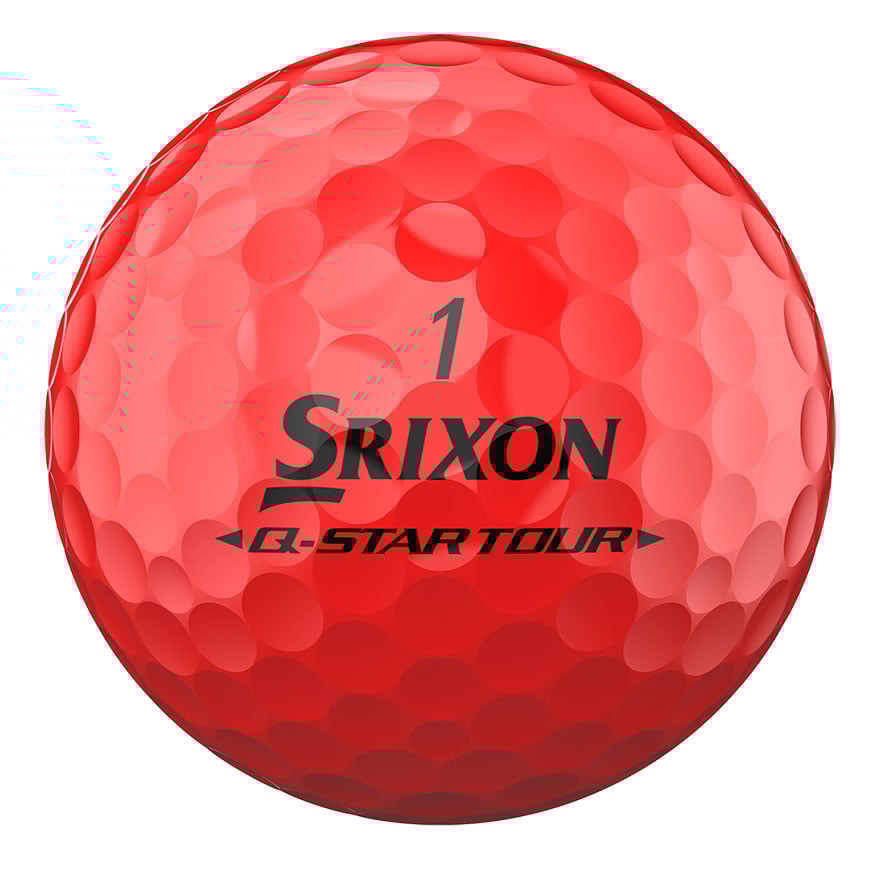
Q-Star Tour Divide
50/50 spin you can see.
PremiumComp 74Urethane3-piecemedium soft feelmid spin- TaylorMade
Tour Response
Soft cast-urethane control with 2026 microcoating technology.
PremiumComp 70Cast Urethane3-piecesoft feelmid spin 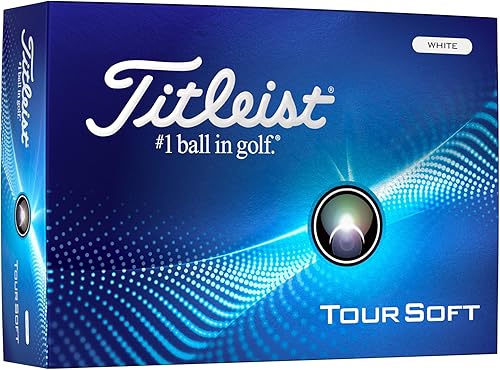
Tour Speed
A tour-feel urethane ball at a price below Pro V1.
PremiumComp 85Urethane3-piecemedium feelmid spin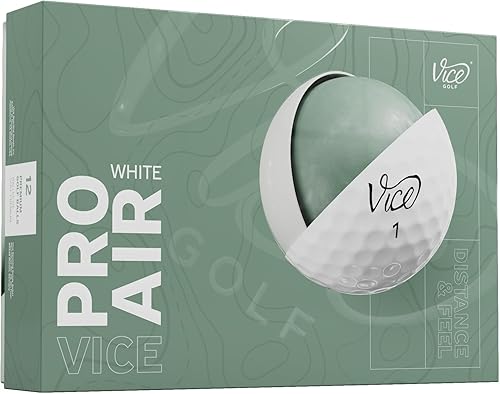
Pro Air
Tour-grade urethane built for slower swings.
PremiumComp 65Cast Urethane3-piecesoft feelmid spin
Pro Soft
Soft urethane direct-to-consumer ball.
PremiumComp 55Urethane3-piecesoft feelmid spin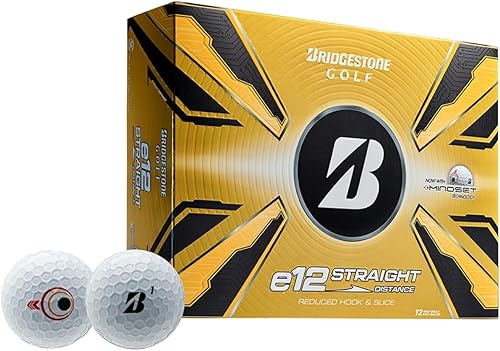
e12 Contact
Active Acceleration Mantle for more energy transfer.
Mid-tierComp 55Surlyn3-piecemedium soft feelmid spin
e6 Soft
Long distance and a soft feel from Bridgestone's enduring e6 formula.
Mid-tierComp 49Surlyn2-piecesoft feellow spin Callaway
ERC Soft
Callaway's longest soft-feel ball with added approach and greenside control.
Mid-tierComp 60Hybrid3-piecesoft feelmid spinTour Soft
Very soft Titleist feel with dependable distance and short-game control.
Mid-tierComp 65Ionomer2-piecesoft feelmid spin Top Flite
Gamer
Three-piece value mid-tier ball.
Mid-tierComp 80Surlyn3-piecemedium feelmid spinTour
Balanced three-piece distance and control with a durable Surlyn cover.
Mid-tierComp 85Surlyn3-piecemedium soft feelmid spine6 Soft Treadline
The soft, long e6 with a tire-inspired 360-degree alignment aid.
Soft feelComp 49Surlyn2-piecesoft feellow spin Callaway
Supersoft
Very soft feel, easy speed, and straight distance for everyday golfers.
Soft feelComp 38Hybrid2-piecesoft feellow spin Callaway
Supersoft MAX
An oversized conforming ball for high launch, forgiveness, and soft feel.
Soft feelsoft feellow spin- Maxfli
SoftFli
Two-piece soft-feel value ball.
Soft feelComp 45Ionomer2-piecesoft feellow spin RB 566
High dimple count for low drag.
Soft feelComp 65Ionomer2-piecesoft feelmid spinAVANT 55
Soft mid-compression ball.
Soft feelComp 55Hybrid3-piecesoft feellow spin
 Pinnacle
Soft
Two-piece soft-feel value ball.
Soft feelComp 55Ionomer2-piecesoft feelmid spin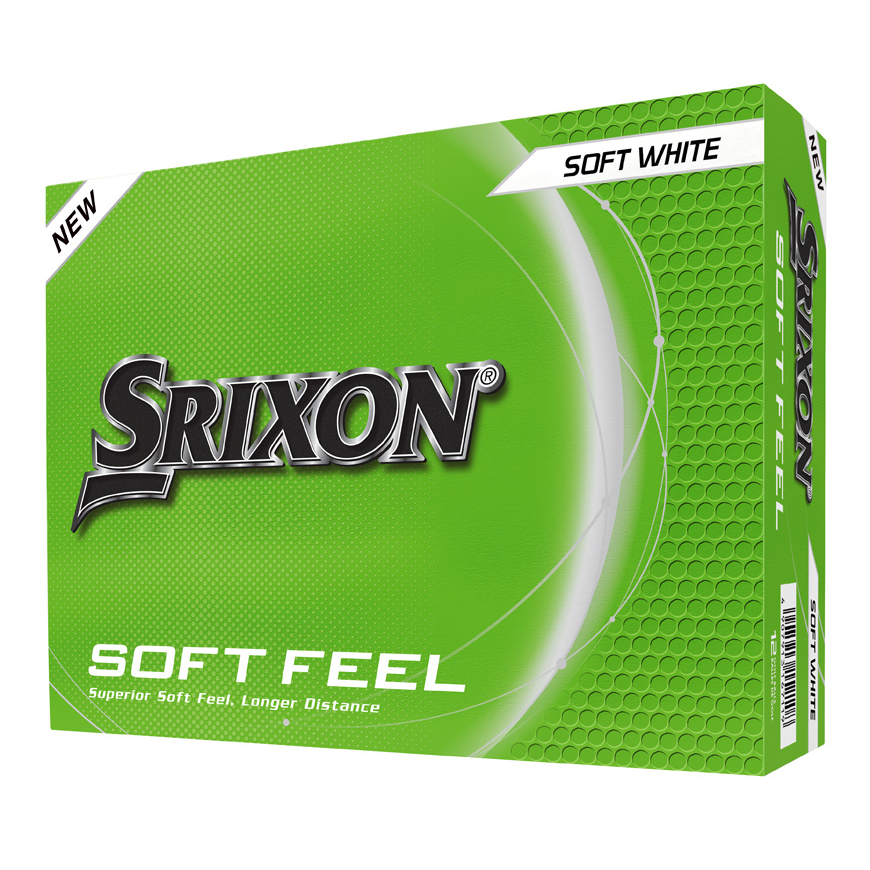
Soft Feel
Long-running soft-feel value ball.
Soft feelComp 60Ionomer2-piecesoft feelmid spin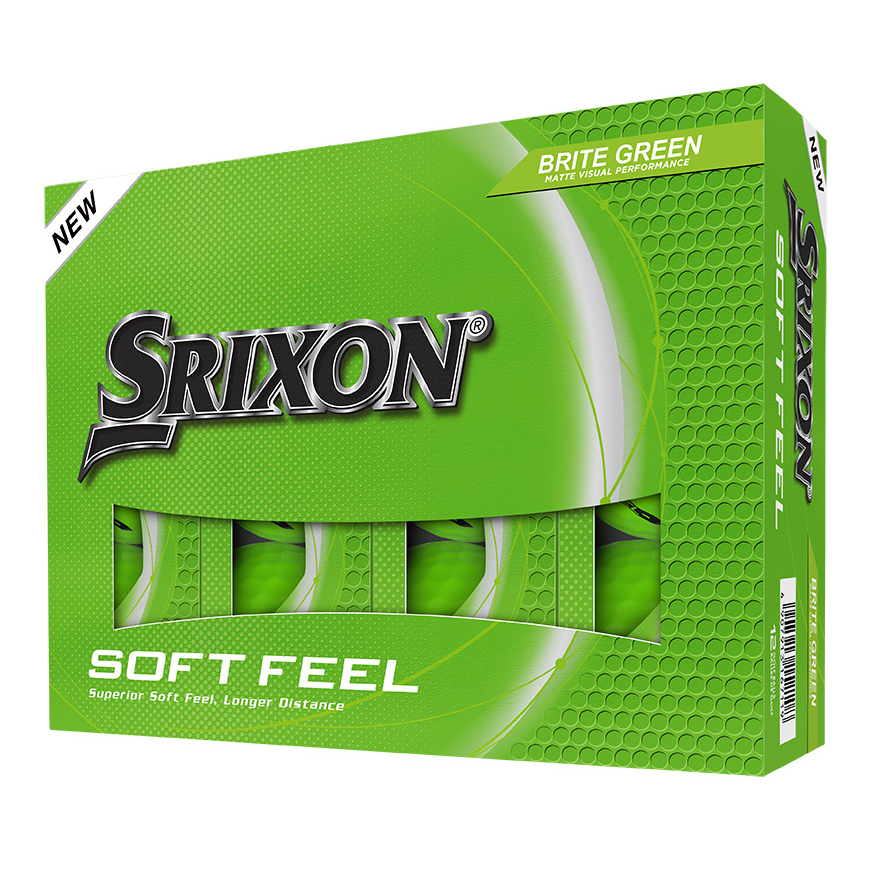
Soft Feel Brite
Soft Feel performance in a matte high-visibility finish.
Soft feelComp 58Surlyn2-piecesoft feelmid spin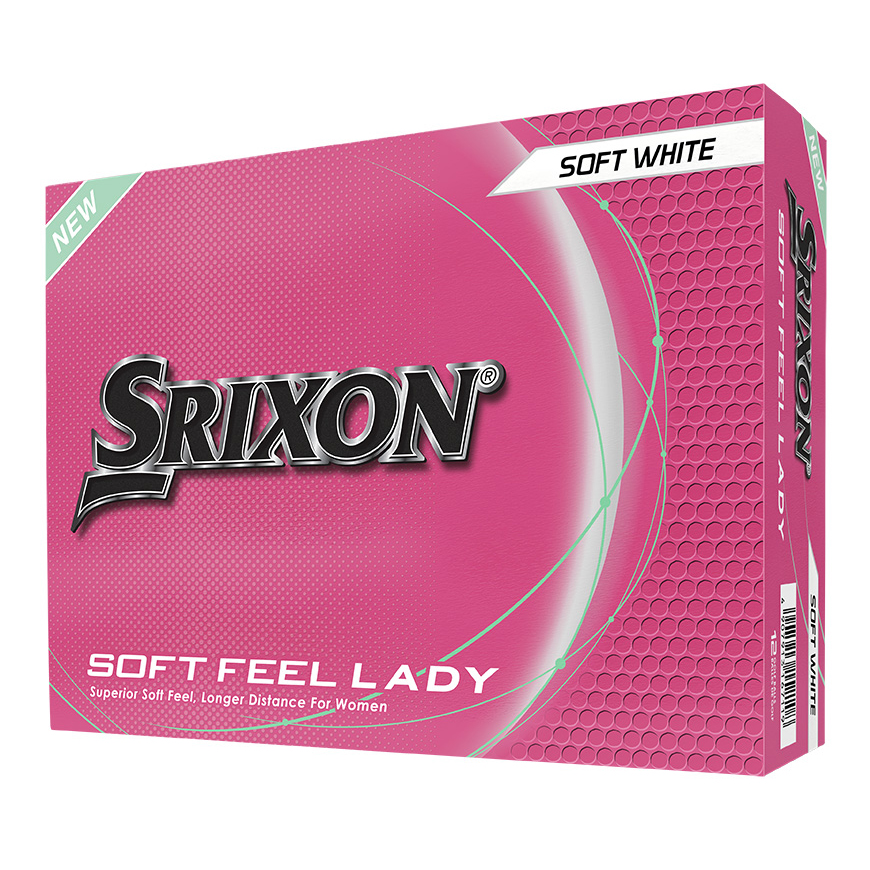
Soft Feel Lady
The softest ball in the Soft Feel family, built for slower swing speeds.
Soft feelComp 56Surlyn2-piecesoft feelmid spin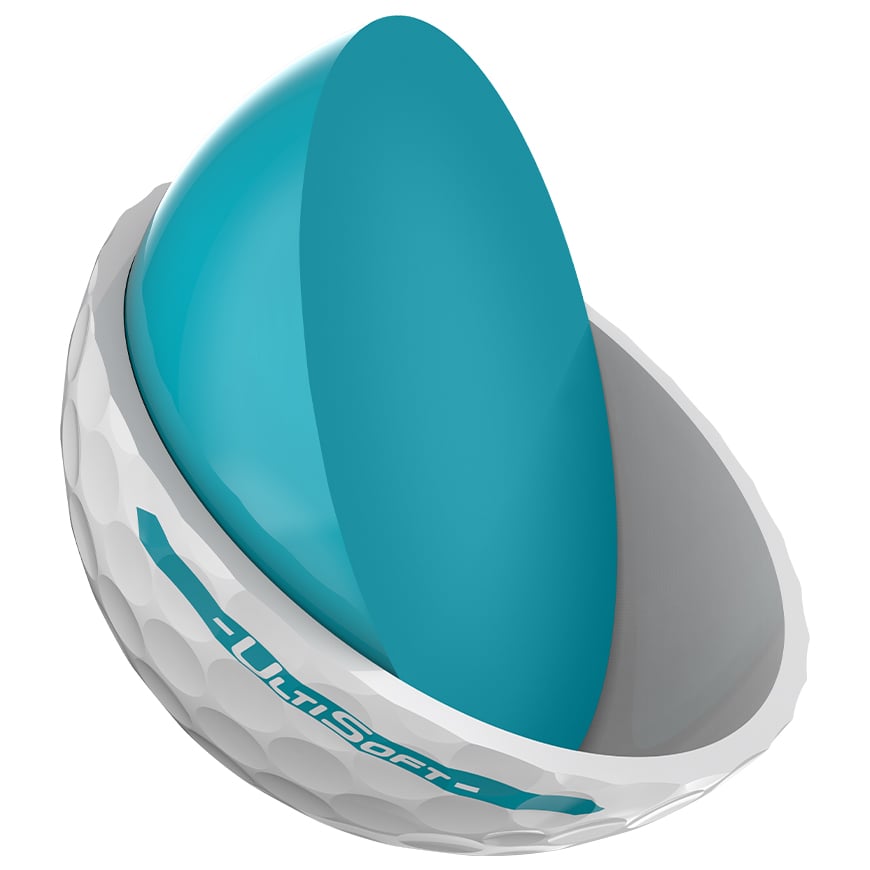
UltiSoft
Srixon’s softest two-piece ball.
Soft feelComp 42Ionomer2-piecesoft feelmid spin- TaylorMade
Kalea
Designed for slower swing speeds.
Soft feelComp 65Surlyn2-piecesoft feellow spin  TaylorMade
Soft Response
Soft feel, premium distance.
Soft feelComp 60Surlyn3-piecesoft feelmid spin TaylorMade
SpeedSoft
TaylorMade softest 2-piece ball at 35 compression.
Soft feelComp 35Ionomer2-piecesoft feellow spin
TruFeel
Titleist's softest ball.
Soft feelComp 60Ionomer2-piecesoft feelmid spin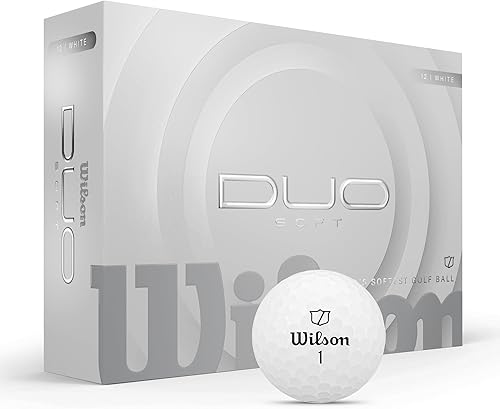 Wilson
Duo Soft
One of the softest 2-piece balls in golf.
Soft feelComp 35Surlyn2-piecesoft feellow spin Wilson
Soft TRK360
Wilson 50-compression soft ball with the TRK360 alignment dimple pattern.
Soft feelComp 50Ionomer2-piecesoft feellow spin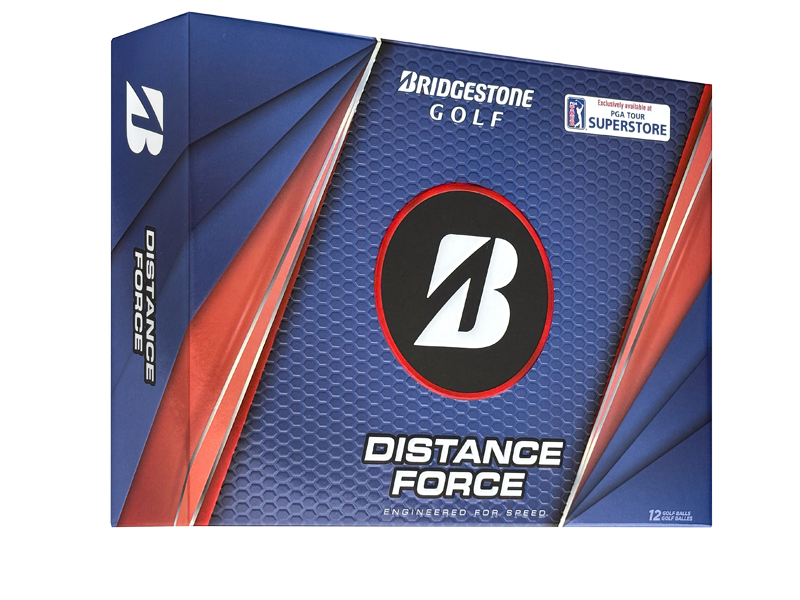
Distance Force
A two-piece distance ball built around Bridgestone's Speed Inside core.
DistanceSurlyn2-piecee12 HiLaunch
A higher-launching e12 built to increase carry distance.
Distancesoft feellow spin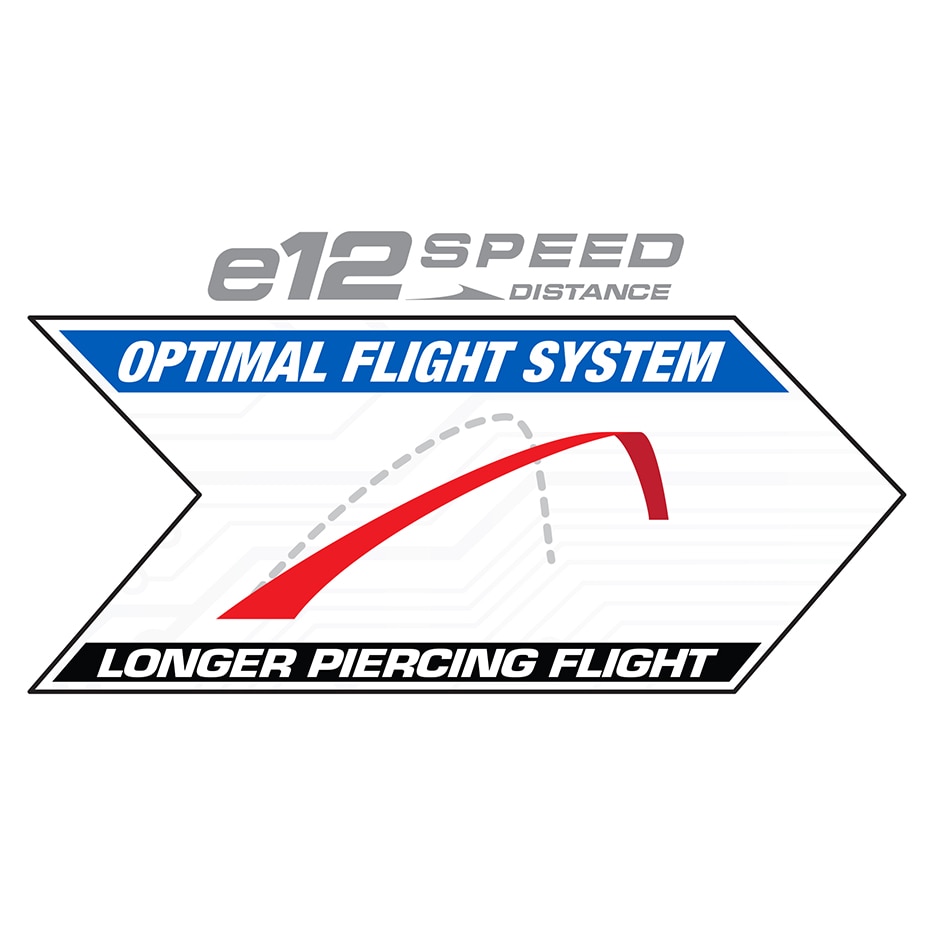
e12 Speed
Two-piece distance ball with Bridgestone's Optimal Flight System.
DistanceComp 1032-piecee12 Splash
Hydrophobic coating helps resist water and mud in wet conditions.
DistanceIonomer3-piecesoft feellow spine12 Straight
Sidespin-reducing construction for straighter, more forgiving flight.
Distancesoft feellow spin Callaway
Superfast
Callaway 2-piece distance ball with HEX Aerodynamics dimples.
DistanceComp 70Ionomer2-piecemedium firm feellow spin Callaway
Warbird
Two-piece distance ball at a low price.
DistanceComp 85Ionomer2-piecefirm feellow spin- Cut Golf
Cut Red
Two-piece distance ball.
DistanceComp 75Ionomer2-piecemedium firm feellow spin  Maxfli
StraightFli
Two-piece designed for the straightest possible flight.
DistanceComp 75Surlyn2-piecemedium firm feellow spin
RB Max
Distance-focused 3-piece with C-Dimple pattern.
DistanceComp 95Surlyn3-piecemedium firm feellow spin Pinnacle
Rush
Two-piece distance ball at the lowest price point.
DistanceComp 80Ionomer2-piecemedium firm feellow spin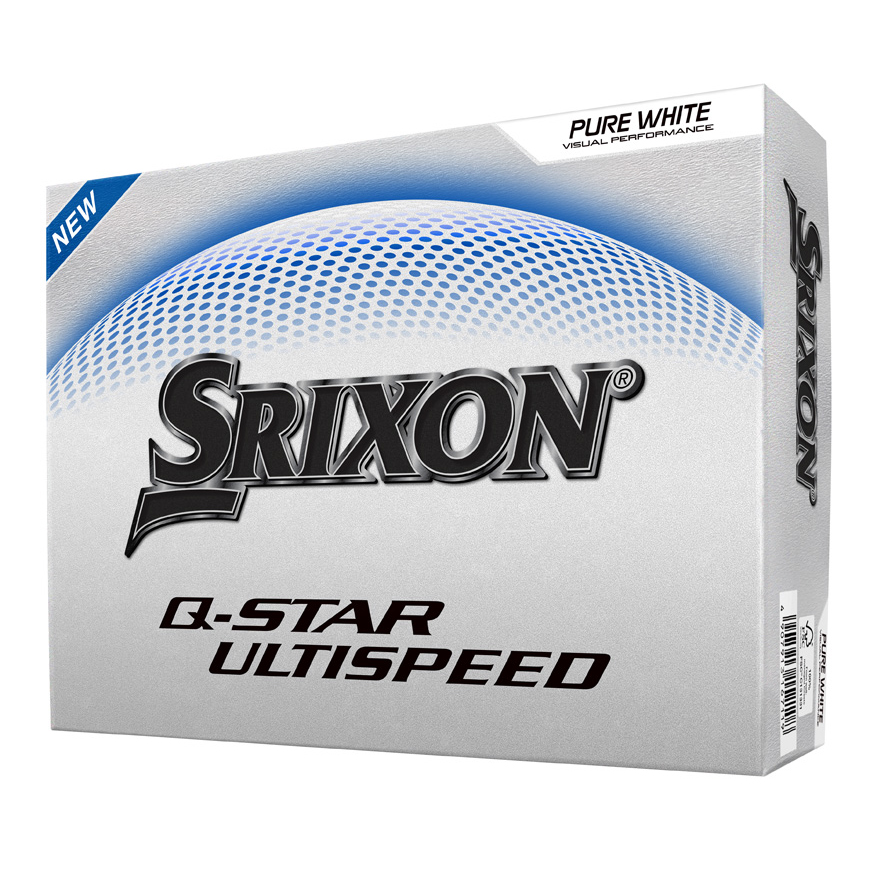
Q-Star Ultispeed
Three-piece speed and high flight at a mid-market price.
DistanceComp 85Ionomer3-piecesoft feellow spin TaylorMade
Distance+
Two-piece for explosive distance.
DistanceComp 77Surlyn2-piecemedium firm feellow spin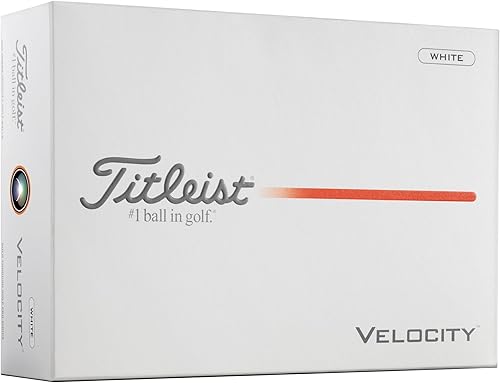
Velocity
Explosive distance, low long-game spin, and penetrating flight.
DistanceComp 95Ionomer2-piecefirm feellow spin- Top Flite
Hammer Tour
Three-piece distance ball at value pricing.
DistanceComp 95Surlyn3-piecefirm feellow spin 
Drive
Two-piece distance ball.
DistanceComp 70Surlyn2-piecemedium firm feellow spin Wilson
Prime Distance
Wilson high-energy 2-piece distance ball at value pricing.
DistanceComp 85Ionomer2-piecemedium feellow spin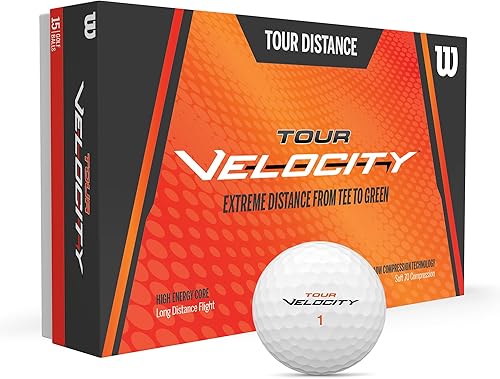 Wilson
Staff Velocity
Wilson 2-piece distance ball with a firm-feeling ionomer cover.
DistanceComp 90Ionomer2-piecemedium firm feellow spin Cut Golf
Cut White
Cut Golf entry-level distance ball at fifteen dollars a dozen.
ValueComp 70Ionomer2-piecemedium feellow spinV3.0
Costco's urethane-covered value ball, sold two dozen at a time.
ValueUrethane3-piece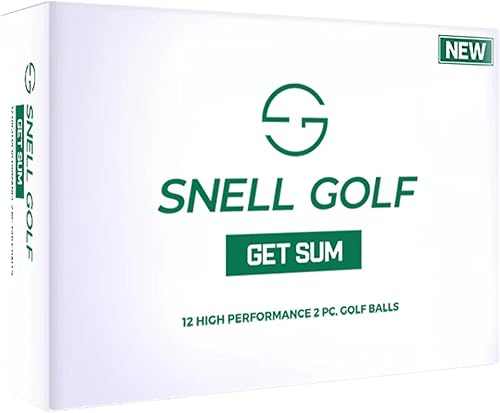 Snell
SnellGet Sum
Snell entry-level 2-piece distance ball at $16 a dozen.
ValueComp 70Ionomer2-piecesoft feellow spin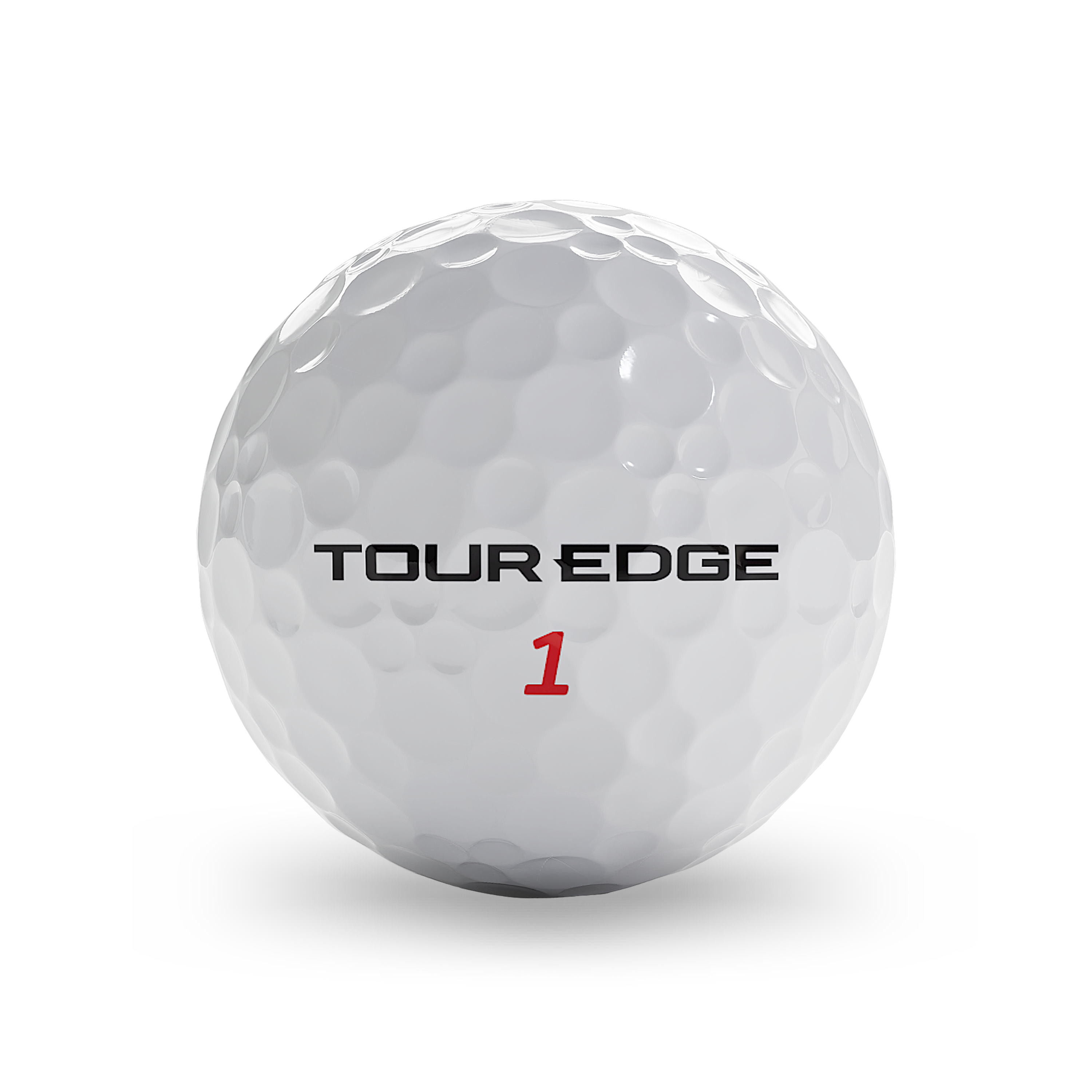
Hot Launch
Two-piece Surlyn ball with a 55-compression high-speed core and a shallow 312-dimple pattern.
ValueComp 55Surlyn2-piecesoft feellow spin Callaway
Chrome Soft X
 Callaway
REVA
| Model ↕ | Tier ↑ | Compression ↕ | |
|---|---|---|---|
| Tour B X Maximum tour distance for players above 105 mph. | Tour | 95 |
| Tour B XS Soft tour feel and maximum control for players above 105 mph. | Tour | 85 | |
| Chrome Tour Balanced tour speed, flight, feel, and greenside control. | Tour | 75 |
| Chrome Tour Triple Diamond Penetrating tour flight with high speed and reduced full-shot spin. | Tour | — |
| Chrome Tour X Firmer tour feel with higher flight and more full-shot spin. | Tour | 85 |
| Cut Blue Softer-feel variant of Cut DC. | Tour | 85 | |
| Cut DC Direct-to-consumer 4-piece urethane. | Tour | 95 | |
| V2.0 4-piece urethane Costco ball. | Tour | 100 | |
| Tour Direct-to-consumer 4-piece tour urethane. | Tour | 88 |
| Tour S Softer-feel variant of the Tour. | Tour | 75 |
| Tour X Higher launch firmer-feel tour ball. | Tour | 97 |
 | Tour X LS Four-piece low-spin tour ball with a cast urethane cover. | Tour | — |
| Mizuno Pro S Mizuno mid-compression tour ball with AXIALFLOW dimples. | Tour | 90 |
| Mizuno Pro X Mizuno high-compression tour ball with low driver spin. | Tour | 100 |
| RB Tour C-Dimple aerodynamics with 4-piece tour construction. | Tour | 110 |
| RB Tour Pro 3-piece tour ball with cast-urethane cover. | Tour | 95 |
| RB Tour X Higher swing speed variant of RB Tour. | Tour | 110 |
| ELIXR Perimeter-weighted urethane tour ball. | Tour | 80 | |
| VERO X1 Four-piece tour construction with low driver spin and strong wedge control. | Tour | 85 | |
| VERO X2 A firmer, higher-flying VERO with very low driver spin. | Tour | 95 | |
| VERO XP1 3-piece cast urethane tour ball, 85 compression. | Tour | 85 | |
| Xtreme Tour Fast, penetrating tour performance with lower driver spin. | Tour | — | |
| Xtreme Tour X Firmer tour feel with higher launch and more spin than Xtreme Tour. | Tour | — | |
| MTB Black LTD Back by demand. Built for inside 100. | Tour | 85 |
| PR3 3-piece urethane tour ball with Snell’s TPU-X cover. | Tour | — | |
| PR4 4-piece urethane tour ball with Snell’s TPU-X cover. | Tour | — | |
| Z-Star Most popular ball among Korean and Japanese tour pros. | Tour | 90 |
| Z-Star Diamond Higher iron spin and lower driver spin than Z-Star. | Tour | 95 |
| Z-Star Divide Two colors. One tour ball. | Tour | 88 |
| Z-Star XV Faster, longer 4-piece variant. | Tour | 102 |
| Z-Star XV Divide The firmest Divide. | Tour | 102 |
| TP5 5-layer construction for tour-level all-around performance. | Tour | 83 |
| TP5 TRK-R The TP5 built to be seen by radar. | Tour | — |
| TP5x 5-layer firm-feel tour ball with maximum distance. | Tour | 97 |
| TP5x TRK-R TP5x, radar-visible for indoor sim play. | Tour | — |
| AVX Tour performance with a softer feel and lower trajectory. | Tour | 75 |
| Pro V1 The most-played ball on the PGA Tour. | Tour | 88 |
| Pro V1 Left Dot 352 dimples, a lower flight, once a year. | Tour | — |
| Pro V1 RCT A Pro V1 with an embedded radar-reflective marker for launch monitors. | Tour | 88 |
| Pro V1x Higher launch and more spin than Pro V1. | Tour | 103 |
| Pro V1x Left Dash Pro V1x with lower long-game spin for fast swing speeds. | Tour | 107 |
| Pro V1x Left Dash RCT Left Dash spin, now readable by radar. | Tour | — |
| Pro V1x RCT A Pro V1x with an embedded radar-reflective marker for launch monitors. | Tour | 103 |
| Exotics | Tour | — | |
| Pro 3-piece tour ball at a direct-to-consumer price. | Tour | 75 |
| Pro Plus Direct-to-consumer 4-piece tour ball. | Tour | 95 |
| Staff Model Wilson's tour-firm 4-piece. | Tour | 90 |
| Staff Model R 3-piece urethane tour ball with raw cover. | Tour | 88 | |
| Staff Model X Four-piece tour ball with a thin cast urethane cover. | Tour | 100 | |
| Triad High-MOI 4-piece tour ball. | Tour | 95 |
| Tour B RX Tour-level distance optimized for swings below 105 mph. | Premium | 66 |
| Tour B RXS Soft tour feel and additional greenside spin below 105 mph. | Premium | 60 | |
| Chrome Soft Soft feel meets tour performance. | Premium | 75 |
| Cut Grey Three-piece urethane Cut ball. | Premium | 80 | |
| 3-Piece Urethane Costco's 3-piece urethane at a cult price. | Premium | 95 | |
| Prime 2.0 An unusually affordable two-piece urethane ball for moderate swing speeds. | Premium | — | |
| Q-Star Best-value urethane ball. | Premium | 75 |
| Q-Star Tour Tour-caliber urethane control in a softer, moderate-compression package. | Premium | 74 |
| Q-Star Tour Divide 50/50 spin you can see. | Premium | 74 |
| Tour Response Soft cast-urethane control with 2026 microcoating technology. | Premium | 70 | |
| Tour Speed A tour-feel urethane ball at a price below Pro V1. | Premium | 85 |
| Pro Air Tour-grade urethane built for slower swings. | Premium | 65 |
| Pro Soft Soft urethane direct-to-consumer ball. | Premium | 55 |
| e12 Contact Active Acceleration Mantle for more energy transfer. | Mid-tier | 55 |
| e6 Soft Long distance and a soft feel from Bridgestone's enduring e6 formula. | Mid-tier | 49 |
| ERC Soft Callaway's longest soft-feel ball with added approach and greenside control. | Mid-tier | 60 |
| Tour Soft Very soft Titleist feel with dependable distance and short-game control. | Mid-tier | 65 | |
| Gamer Three-piece value mid-tier ball. | Mid-tier | 80 | |
| Tour Balanced three-piece distance and control with a durable Surlyn cover. | Mid-tier | 85 | |
| e6 Soft Treadline The soft, long e6 with a tire-inspired 360-degree alignment aid. | Soft feel | 49 | |
| Supersoft Very soft feel, easy speed, and straight distance for everyday golfers. | Soft feel | 38 |
| Supersoft MAX An oversized conforming ball for high launch, forgiveness, and soft feel. | Soft feel | — |
| SoftFli Two-piece soft-feel value ball. | Soft feel | 45 | |
| RB 566 High dimple count for low drag. | Soft feel | 65 |
| AVANT 55 Soft mid-compression ball. | Soft feel | 55 | |
| Soft Two-piece soft-feel value ball. | Soft feel | 55 |
| Soft Feel Long-running soft-feel value ball. | Soft feel | 60 |
| Soft Feel Brite Soft Feel performance in a matte high-visibility finish. | Soft feel | 58 |
| Soft Feel Lady The softest ball in the Soft Feel family, built for slower swing speeds. | Soft feel | 56 |
| UltiSoft Srixon’s softest two-piece ball. | Soft feel | 42 |
| Kalea Designed for slower swing speeds. | Soft feel | 65 | |
| Soft Response Soft feel, premium distance. | Soft feel | 60 |
| SpeedSoft TaylorMade softest 2-piece ball at 35 compression. | Soft feel | 35 |
| TruFeel Titleist's softest ball. | Soft feel | 60 |
| Duo Soft One of the softest 2-piece balls in golf. | Soft feel | 35 |
| Soft TRK360 Wilson 50-compression soft ball with the TRK360 alignment dimple pattern. | Soft feel | 50 |
| Distance Force A two-piece distance ball built around Bridgestone's Speed Inside core. | Distance | — |
| e12 HiLaunch A higher-launching e12 built to increase carry distance. | Distance | — | |
| e12 Speed Two-piece distance ball with Bridgestone's Optimal Flight System. | Distance | 103 |
| e12 Splash Hydrophobic coating helps resist water and mud in wet conditions. | Distance | — | |
| e12 Straight Sidespin-reducing construction for straighter, more forgiving flight. | Distance | — | |
| Superfast Callaway 2-piece distance ball with HEX Aerodynamics dimples. | Distance | 70 |
| Warbird Two-piece distance ball at a low price. | Distance | 85 |
| Cut Red Two-piece distance ball. | Distance | 75 | |
| StraightFli Two-piece designed for the straightest possible flight. | Distance | 75 |
| RB Max Distance-focused 3-piece with C-Dimple pattern. | Distance | 95 |
| Rush Two-piece distance ball at the lowest price point. | Distance | 80 |
| Q-Star Ultispeed Three-piece speed and high flight at a mid-market price. | Distance | 85 |
| Distance+ Two-piece for explosive distance. | Distance | 77 |
| Velocity Explosive distance, low long-game spin, and penetrating flight. | Distance | 95 |
| Hammer Tour Three-piece distance ball at value pricing. | Distance | 95 | |
| Drive Two-piece distance ball. | Distance | 70 |
| Prime Distance Wilson high-energy 2-piece distance ball at value pricing. | Distance | 85 |
| Staff Velocity Wilson 2-piece distance ball with a firm-feeling ionomer cover. | Distance | 90 |
| Cut White Cut Golf entry-level distance ball at fifteen dollars a dozen. | Value | 70 |
| V3.0 Costco's urethane-covered value ball, sold two dozen at a time. | Value | — | |
| Get Sum Snell entry-level 2-piece distance ball at $16 a dozen. | Value | 70 |
| Hot Launch Two-piece Surlyn ball with a 55-compression high-speed core and a shallow 312-dimple pattern. | Value | 55 |
| Chrome Soft X | — | |
| REVA | — |
Top picks by category
Softest
TaylorMade SpeedSoft
Compression 35
Lowest compression in the directory.
Firmest
Mizuno RB Tour
Compression 110
Highest compression — tour-firm feel.
High-spin pick
Bridgestone Tour B RXS
Urethane
Urethane cover with high-spin and control positioning.
Low-spin pick
Bridgestone Tour B X
Low spin
Distance-focused, low-spin catalog profile.
Distance pick
Bridgestone e12 HiLaunch
Distance
Manufacturer-positioned for distance.
Slow-swing shortlist
TaylorMade SpeedSoft
Compression 35
Low recorded compression; test the complete ball.
Top model from each brand
Best Bridgestone
Tour B XS
Tour · Compression 85
Best Callaway
Chrome Tour
Tour · Compression 75
Best Cut Golf
Cut DC
Tour · Compression 95
Best Kirkland Signature
V2.0
Tour · Compression 100
Best Maxfli
Tour
Tour · Compression 88
Best Mizuno
RB Tour
Tour · Compression 110
Best OnCore
ELIXR
Tour · Compression 80
Best Pinnacle
Soft
Soft feel · Compression 55
Best PXG
Xtreme Tour
Tour
Best Snell
MTB Black LTD
Tour · Compression 85
Best Srixon
Z-Star
Tour · Compression 90
Best TaylorMade
TP5
Tour · Compression 83
Best Titleist
Pro V1
Tour · Compression 88
Best Top Flite
Gamer
Mid-tier · Compression 80
Best Tour Edge
Exotics
Tour
Best Vice
Pro
Tour · Compression 75
Best Wilson
Triad
Tour · Compression 95
Frequently asked questions
What is the softest golf ball you can buy?
TaylorMade SpeedSoft and Wilson Duo Soft share the lowest recorded compression in Stymie's current directory at 35. That identifies the softer end of this catalog; manufacturers may use different test methods, and compression alone does not predict total performance.
Which golf ball flies the straightest?
No ball is universally straightest because face angle, path, strike and spin axis dominate curvature. Maxfli StraightFli and other low-spin or distance-positioned models are reasonable candidates to test, but the category label does not guarantee a dispersion result.
Which golf ball spins the least off the driver?
Stymie can identify models cataloged with low-spin or distance positioning, including Titleist Velocity, Callaway Warbird, TaylorMade Distance+ and Pinnacle Rush. Naming the lowest-spinning model requires same-condition testing; launch, carry and curvature are player-dependent.
Which golf ball spins the most around the greens?
Tour-tier urethane balls with high-spin or control positioning are the appropriate test set: Titleist Pro V1, Callaway Chrome Tour, TaylorMade TP5, Bridgestone Tour B XS and Srixon Z-Star are examples. Stymie does not publish a universal RPM winner without one shared test protocol.
What is the best Titleist golf ball?
Titleist Pro V1 is Stymie’s flagship reference in the tour-ball category: a 3-piece urethane model cataloged with mid spin and medium feel. Pro V1x adds a fourth layer and a firmer recorded compression, while AVX carries lower-spin and softer-feel positioning. Compare the current Titleist table for exact specifications.
What is the best Callaway golf ball?
Callaway Chrome Tour is a flagship 4-piece urethane model in Stymie’s current catalog. Chrome Tour X is the firmer variant in the recorded specifications, while Supersoft sits near the lowest-compression end of the directory. Compare the current Callaway brand table for exact values.
What is the best TaylorMade golf ball?
TaylorMade TP5 is the brand’s 5-layer urethane flagship in Stymie’s catalog. TP5x has the firmer recorded compression, Tour Response is the lower-priced urethane entry, and SpeedSoft is the lowest-compression TaylorMade model currently tracked.
What is the best Bridgestone golf ball?
Bridgestone Tour B XS is a control-oriented tour model in Stymie’s catalog, while Tour B X carries lower-spin and distance positioning. Tour B RX and RXS have lower recorded compression than those two; e6 and e12 Contact occupy the softer/value side of the lineup.
What is the best Srixon golf ball?
Srixon Z-Star is the brand’s 3-piece urethane flagship in Stymie’s catalog. Z-Star XV is the firmer 4-piece variant, Z-Star Diamond carries control-oriented positioning, and Q-Star Tour is the lower-priced urethane option. Use the brand table for recorded compression and construction.
What is the cheapest urethane golf ball?
The Kirkland Signature V2.0 at a recorded MSRP of $17.00 is one of the lower-priced tour or premium models in the directory. Other value-oriented urethane candidates include Kirkland Signature, Cut DC, Vice Pro, Snell MTB Black, Maxfli Tour and Srixon Q-Star Tour. Verify current price and model year before buying.
How is golf ball compression measured, and what compression should I play?
Compression is a numerical measure of relative softness or firmness. Stymie's 90 rated current models run from 35 to 110, but manufacturers may use different methods. Do not prescribe a ball from driver speed alone; compare cover, layers, flight, spin, feel and measured results.
What is the difference between a 3-piece and a 4-piece golf ball?
3-piece balls (Pro V1, Tour B XS, Z-Star) have a core, an inner mantle, and an outer cover. 4-piece balls (Pro V1x, Chrome Tour, TP5 / TP5x, MTB X, Tour Response) add a second mantle layer that lets manufacturers fine-tune launch, spin, and feel separately. 5-piece balls like TP5 / TP5x are the most engineered. More layers usually means slightly more spin separation between long-game and short-game shots, at a higher manufacturing cost.
Are direct-to-consumer golf balls (like Vice, Snell, Cut, Kirkland) as good as Titleist or Callaway?
Some direct-to-consumer models use multi-piece urethane constructions in the same broad category as major-brand tour balls. That does not prove equal performance. Compare current price, specification accuracy, availability, quality consistency and same-condition results model by model.
Where should I compare golf ball prices?
Compare the manufacturer, major golf retailers, and the check-price links on eligible Stymie models. Match the model year, condition, and dozen count before comparing because stock, shipping, personalization, and multi-dozen promotions change frequently. Stymie does not claim that one seller is always cheapest.
What is the best golf ball under $30?
Use Stymie’s under-$30 guide to filter current catalog MSRP, then check the same model year and dozen count at the retailer. Vice, Cut, Maxfli, Snell and Kirkland include urethane candidates in this price conversation, while ionomer models broaden the value set. Prices and stock change.
Is the Pro V1 cheaper on Amazon or at golf shops?
The lowest seller changes with promotions, model year, shipping, and personalization. Compare the same Pro V1 generation and dozen count at Amazon, Titleist, local pro shops, and major golf retailers before buying; Stymie does not maintain a live all-retailer price feed.
Are Costco golf balls actually good?
Kirkland Signature V2.0 is cataloged as a value-priced multi-piece urethane ball. That construction makes it a relevant budget comparison, but Stymie does not claim Pro V1-equivalent speed or spin without citing one controlled test. Verify current Costco price, generation and availability.
How much do tour-tier golf balls cost?
Tour-tier MSRP varies by brand, model year and promotions. Use Stymie’s price chart for the current catalog comparison and verify the same generation and dozen count at the retailer; live offers can differ from manufacturer MSRP.
How long does a golf ball last before it goes bad?
Golf balls do not carry a simple universal expiration date. Store them dry and away from extreme heat or cold, and replace a playing ball when cuts, cover damage or performance changes appear. Stymie does not assign a guaranteed shelf life without model-specific manufacturer evidence.
Catalog scope: current model records are normalized from dated source work and manufacturer references where available. Compression, spin profiles and marketing categories are not universal test results. Affiliate links are included where eligible; Stymie may earn a commission at no extra cost.