
Best Golf Balls for Slow Swing Speeds
A lower numerical compression rating generally sits toward the softer-feeling end of a manufacturer test. It is one useful comparison point for slower-swing players, but not a standalone distance formula. These are current models at 75 compression or lower in Stymie’s catalog. Our top pick is the TaylorMade SpeedSoft (35 compression, $23/dozen). 6 models qualify below, ranked best-first.
How this list works: this is a specification-based shortlist from Stymie's current catalog, ordered by the published rules for this guide—not an independent robot or player test. All 6 picks have a dated catalog source label, and 6 have a manufacturer product reference on file. Use the list to narrow candidates, then compare full construction and test finalists on the course or a launch monitor.
Latest included source review: .
- 1
 See on Amazon →
 TaylorMade·Soft feel·Compression 35
SpeedSoft
35 compression — among the lowest recorded ratings in the current directory.
- 2
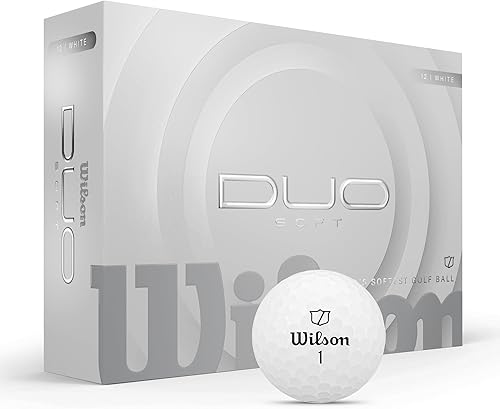 See on Amazon →
 Wilson·Soft feel·Compression 35
Duo Soft
35 compression — among the lowest recorded ratings in the current directory.
- 3
 See on Callaway →
 Callaway·Soft feel·Compression 38
Supersoft
38 compression — among the lowest recorded ratings in the current directory.
- 4
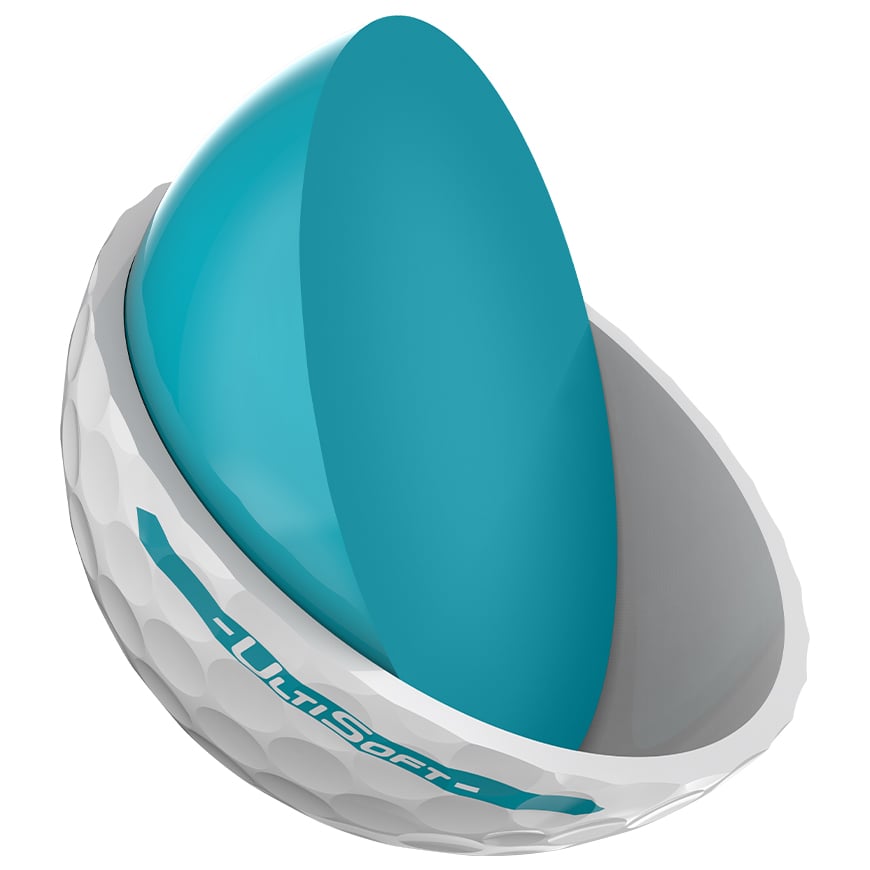
Srixon·Soft feel·Compression 42
UltiSoft
42 compression — among the lowest recorded ratings in the current directory.
- 5
 See on Amazon →Maxfli·Soft feel·Compression 45
SoftFli
45 compression — among the lowest recorded ratings in the current directory.
- 6
 See on Amazon →
Bridgestone·Mid-tier·Compression 49
e6 Soft
49 compression — among the lowest recorded ratings in the current directory.
Frequently asked
What compression should I play if my swing speed is under 90 mph?
There is no universal compression-to-swing-speed formula. Ratings under 80 sit on the softer side of Stymie’s directory and can be useful candidates if you prefer softer feel, but cover, construction, launch, spin, strike and short-game needs also matter.
Will a softer ball cost me distance?
Not necessarily. Compression alone cannot predict distance because the complete ball design and impact conditions matter. Compare launch-monitor numbers or on-course results instead of assuming that either the softer or firmer ball must be longer.
Is there a downside to low-compression balls?
Potential trade-offs come from the full construction, not the compression number alone. Many low-compression models use ionomer covers and distance-oriented designs, while others combine softer cores with urethane. Check cover, spin positioning, durability and price model by model.