
Golf Ball Compression Chart
Jump to chart and filtersStymie currently has documented compression ratings for 90 of 110 active golf balls across 16 brands. TaylorMade SpeedSoft and Wilson Duo Soft share the lowest recorded rating at 35; Mizuno RB Tour and Mizuno RB Tour X share the highest at 110. The directory median is 82. Values are ranked within Stymie's catalog and are not a universal laboratory scale.
Methodology and source coverage
The chart includes only current models with a numerical compression value in Stymie's catalog. All 90 ranked rows have a dated catalog source label, and 90 have a manufacturer product reference on file. The 20 current models without a documented number remain in the main ball directory but are excluded from this ranking.
Manufacturers do not use one universal compression test. Titleist also notes that compression is only one part of a ball's design, alongside its layers, materials, and aerodynamics. Compare these values directionally and test complete ball performance rather than treating a number as a hard swing-speed rule. Read Titleist's compression explanation.
Latest included source review: .
Use the chart with your playing priorities
Soft (under 70)
25Lower end of this directory
A lower numerical rating generally indicates a softer ball in the cited test. Construction and cover still affect feel, flight, spin, and distance.
Mid (70–89)
37Middle of this directory
This band includes several constructions and player profiles. A rating alone does not establish an ideal swing speed or predict on-course performance.
Firm (90+)
28Higher end of this directory
A higher numerical rating generally indicates a firmer ball in the cited test. Compare the complete design and your preferred feel before choosing.
Stymie may earn a commission on purchases through labeled retailer links, at no extra cost to you. As an Amazon Associate, Stymie earns from qualifying purchases.
Soft — Soft (under 70)
(25 balls)| Ball | Model | Compression | Buy |
|---|---|---|---|
 | SpeedSoftTaylorMade | 35 | Amazon → |
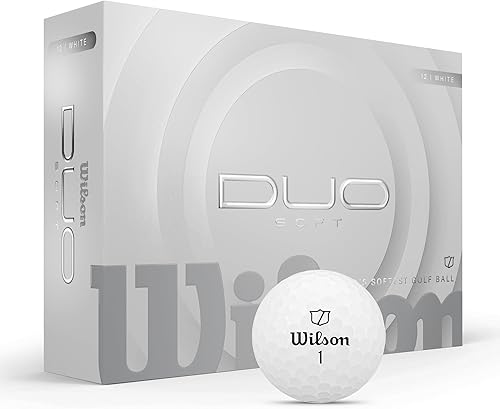 | Duo SoftWilson | 35 | Amazon → |
 | SupersoftCallaway | 38 | Callaway → |
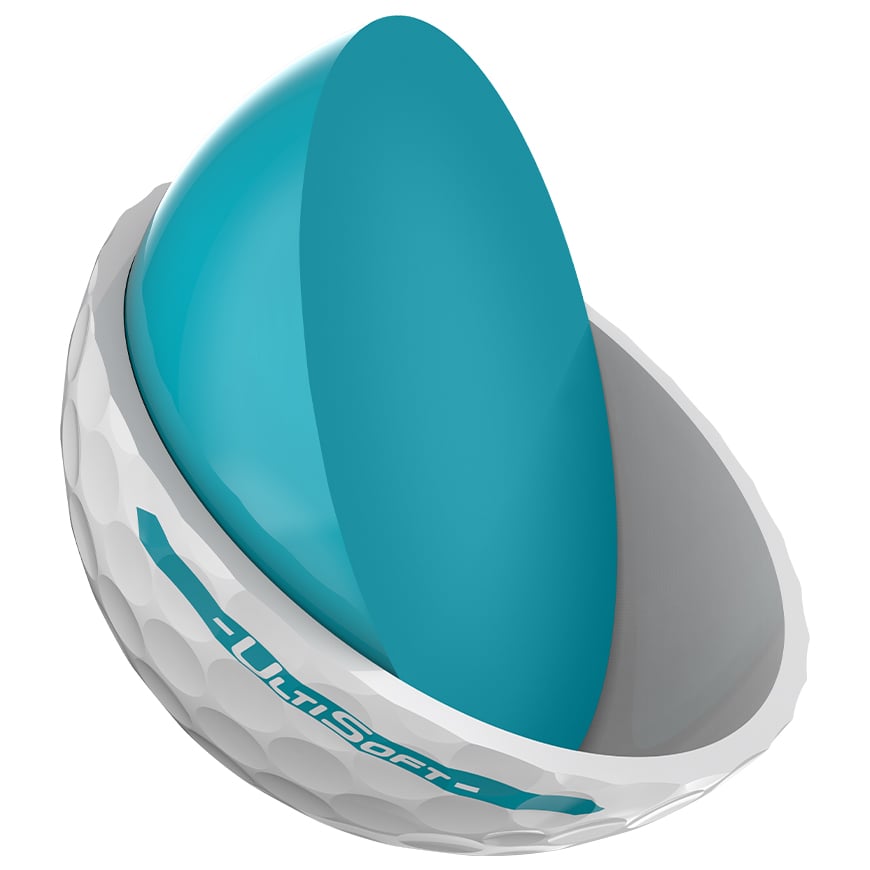 | UltiSoftSrixon | 42 | — |
| SoftFliMaxfli | 45 | Amazon → | |
 | e6 SoftBridgestone | 49 | Amazon → |
| e6 Soft TreadlineBridgestone | 49 | Amazon → | |
 | Soft TRK360Wilson | 50 | Amazon → |
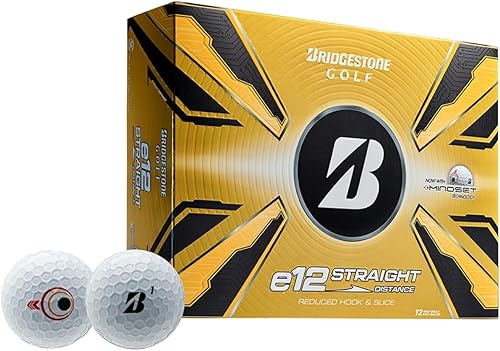 | e12 ContactBridgestone | 55 | — |
| AVANT 55OnCore | 55 | Amazon → | |
 | SoftPinnacle | 55 | Amazon → |
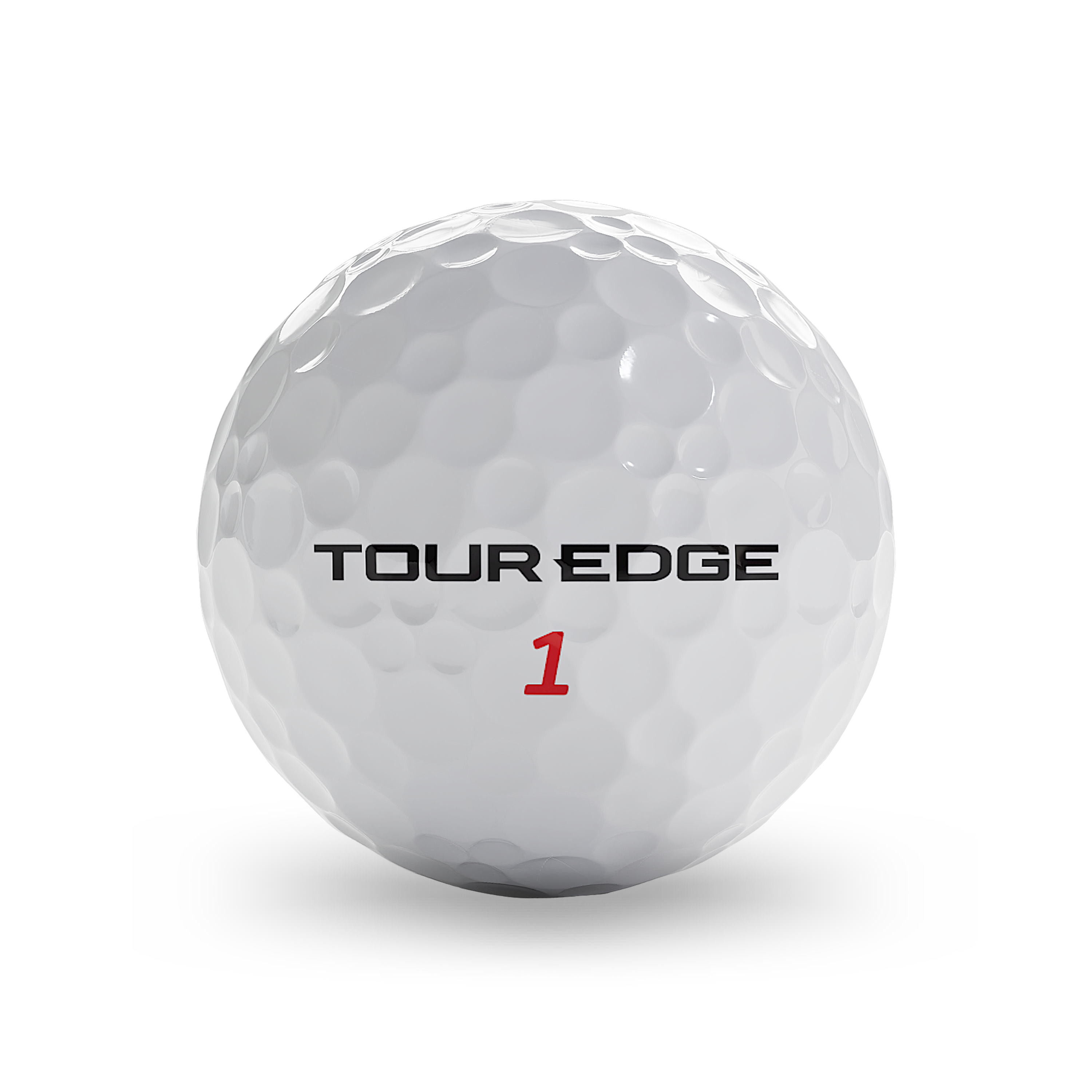 | Hot LaunchTour Edge | 55 | — |
 | Pro SoftVice | 55 | — |
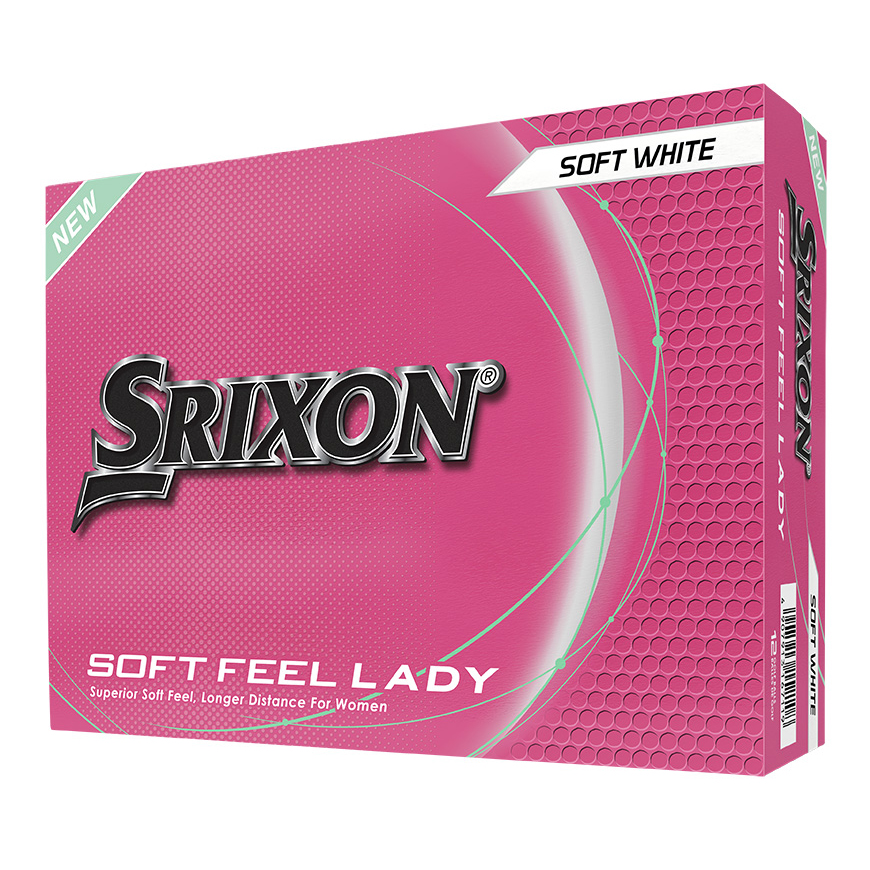 | Soft Feel LadySrixon | 56 | Amazon → |
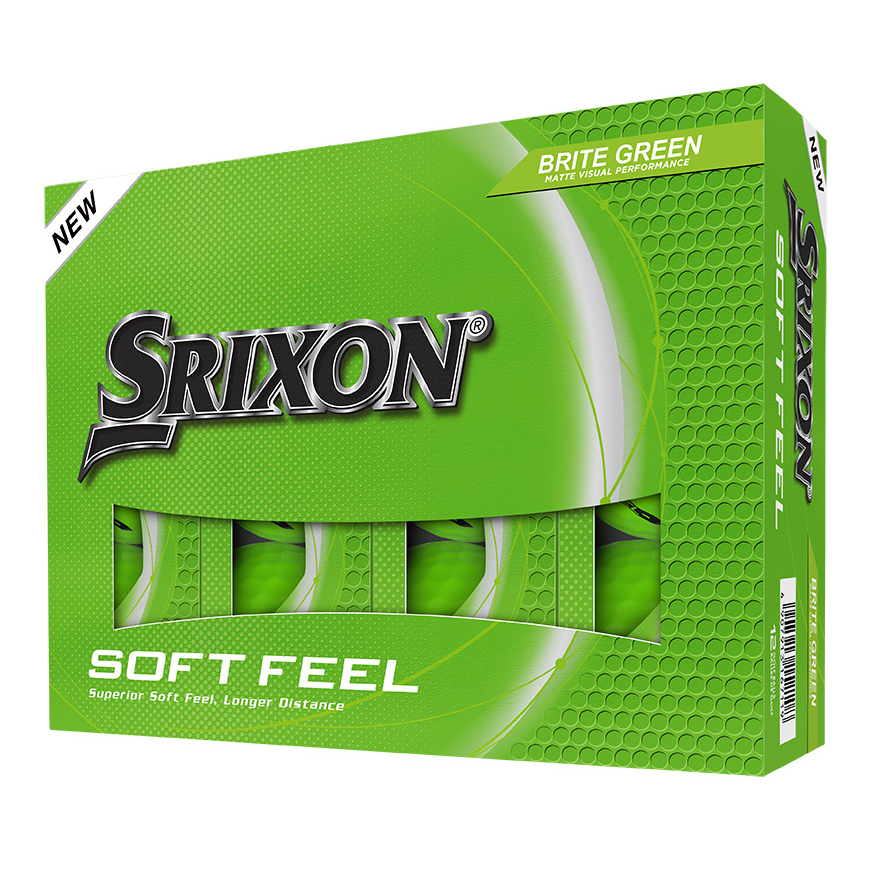 | Soft Feel BriteSrixon | 58 | — |
| Tour B RXSBridgestone | 60 | Amazon → | |
 | ERC SoftCallaway | 60 | Callaway → |
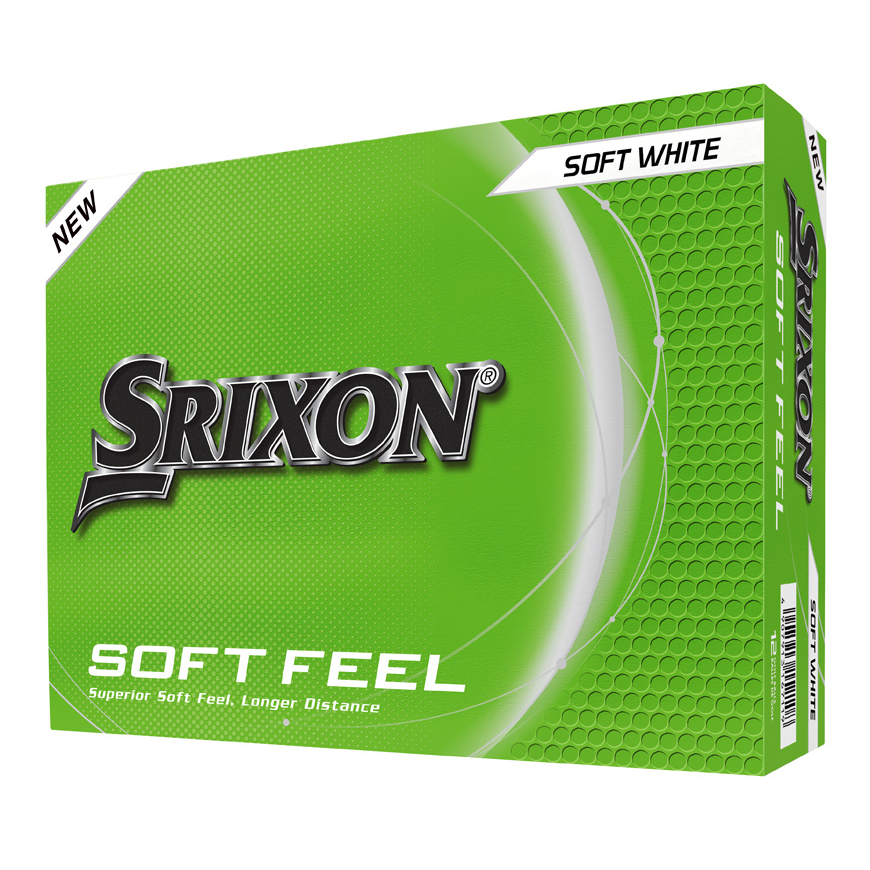 | Soft FeelSrixon | 60 | Srixon → |
 | Soft ResponseTaylorMade | 60 | Amazon → |
 | TruFeelTitleist | 60 | Amazon → |
 | RB 566Mizuno | 65 | Amazon → |
| KaleaTaylorMade | 65 | — | |
| Tour SoftTitleist | 65 | Amazon → | |
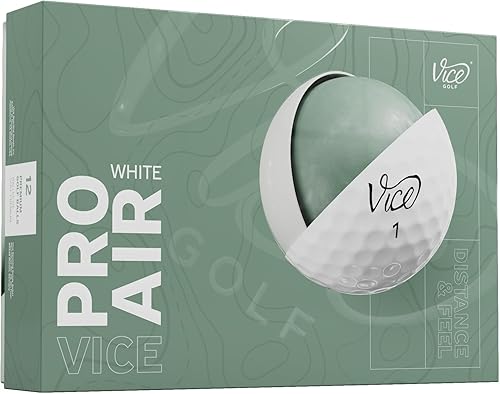 | Pro AirVice | 65 | Amazon → |
 | Tour B RXBridgestone | 66 | Amazon → |









Mid — Mid (70–89)
(37 balls)| Ball | Model | Compression | Buy |
|---|---|---|---|
 | SuperfastCallaway | 70 | Callaway → |
 | Cut WhiteCut Golf | 70 | — |
 | Get SumSnell | 70 | Amazon → |
| Tour ResponseTaylorMade | 70 | Amazon → | |
 | DriveVice | 70 | Amazon → |
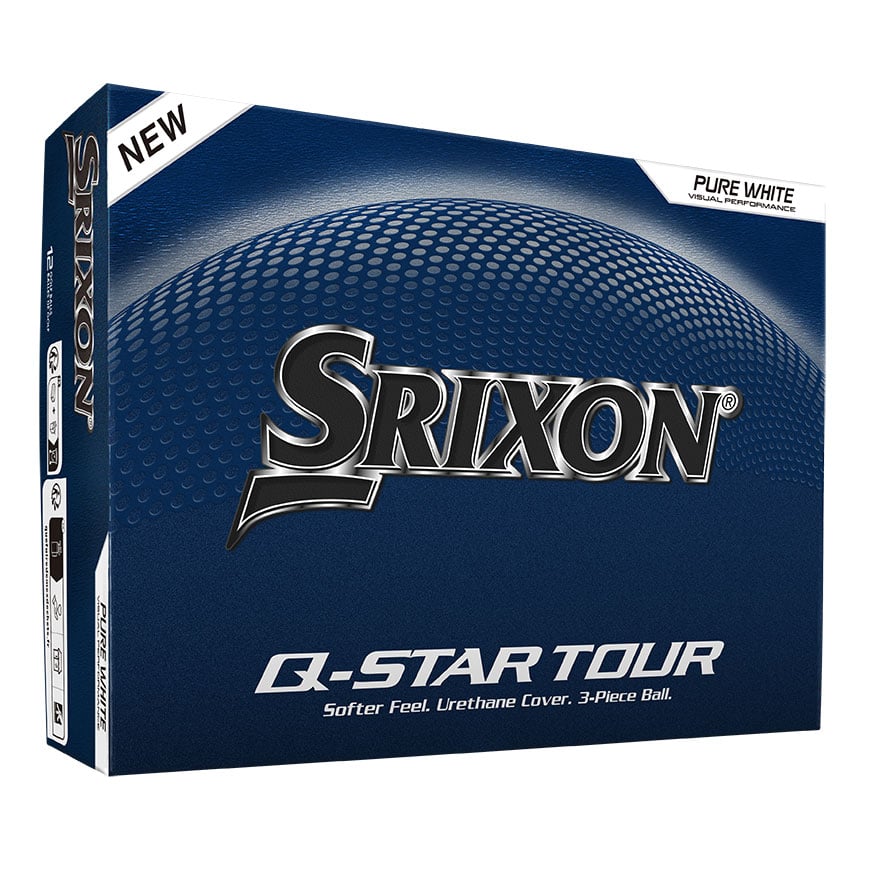 | Q-Star TourSrixon | 74 | Srixon → |
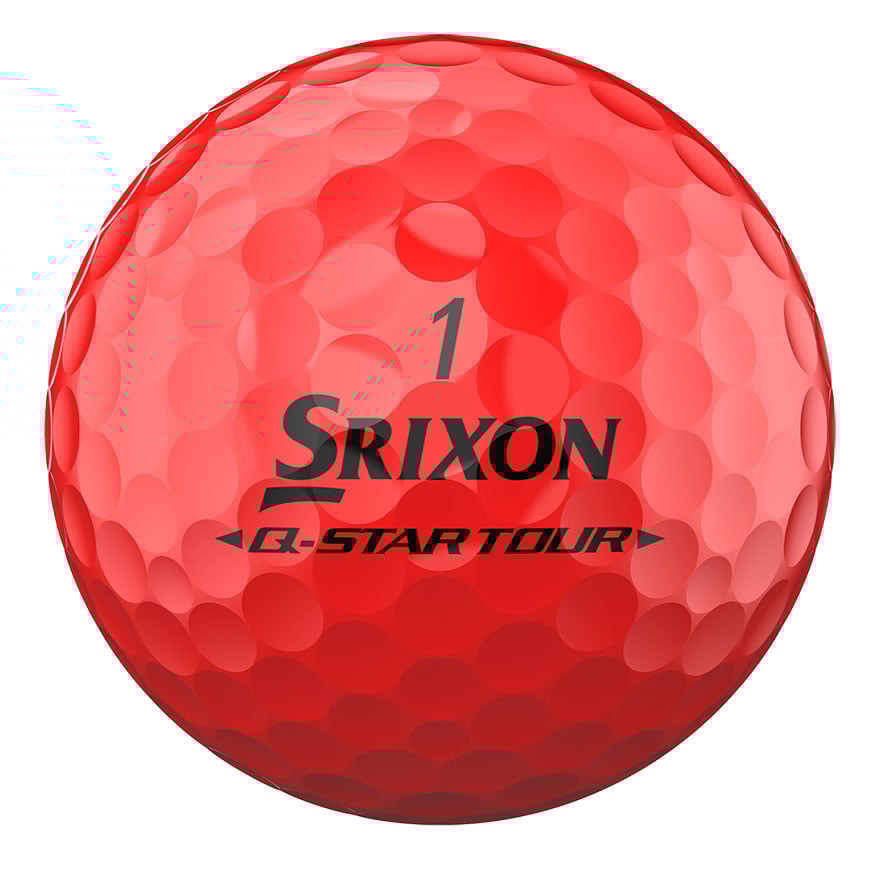 | Q-Star Tour DivideSrixon | 74 | Amazon → |
 | Chrome SoftCallaway | 75 | Callaway → |
 | Chrome TourCallaway | 75 | Callaway → |
| Cut RedCut Golf | 75 | Cut Golf → | |
 | StraightFliMaxfli | 75 | Amazon → |
 | Tour SMaxfli | 75 | Amazon → |
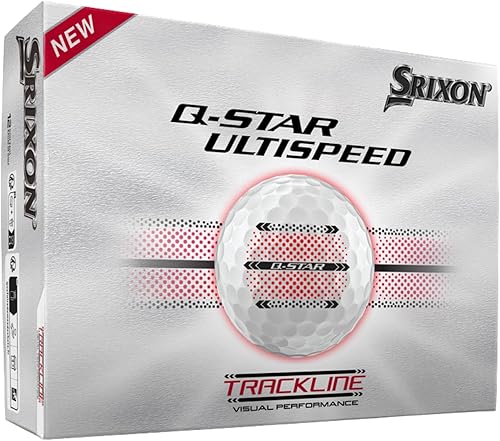 | Q-StarSrixon | 75 | Amazon → |
 | AVXTitleist | 75 | Amazon → |
 | ProVice | 75 | Amazon → |
 | Distance+TaylorMade | 77 | Amazon → |
| Cut GreyCut Golf | 80 | Cut Golf → | |
| ELIXROnCore | 80 | — | |
 | RushPinnacle | 80 | Amazon → |
| GamerTop Flite | 80 | — | |
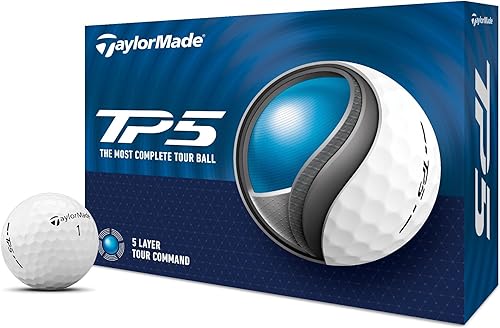 | TP5TaylorMade | 83 | Amazon → |
| Tour B XSBridgestone | 85 | Amazon → | |
 | Chrome Tour XCallaway | 85 | Callaway → |
 | WarbirdCallaway | 85 | Callaway → |
| Cut BlueCut Golf | 85 | Cut Golf → | |
| VERO X1OnCore | 85 | Amazon → | |
| VERO XP1OnCore | 85 | Amazon → | |
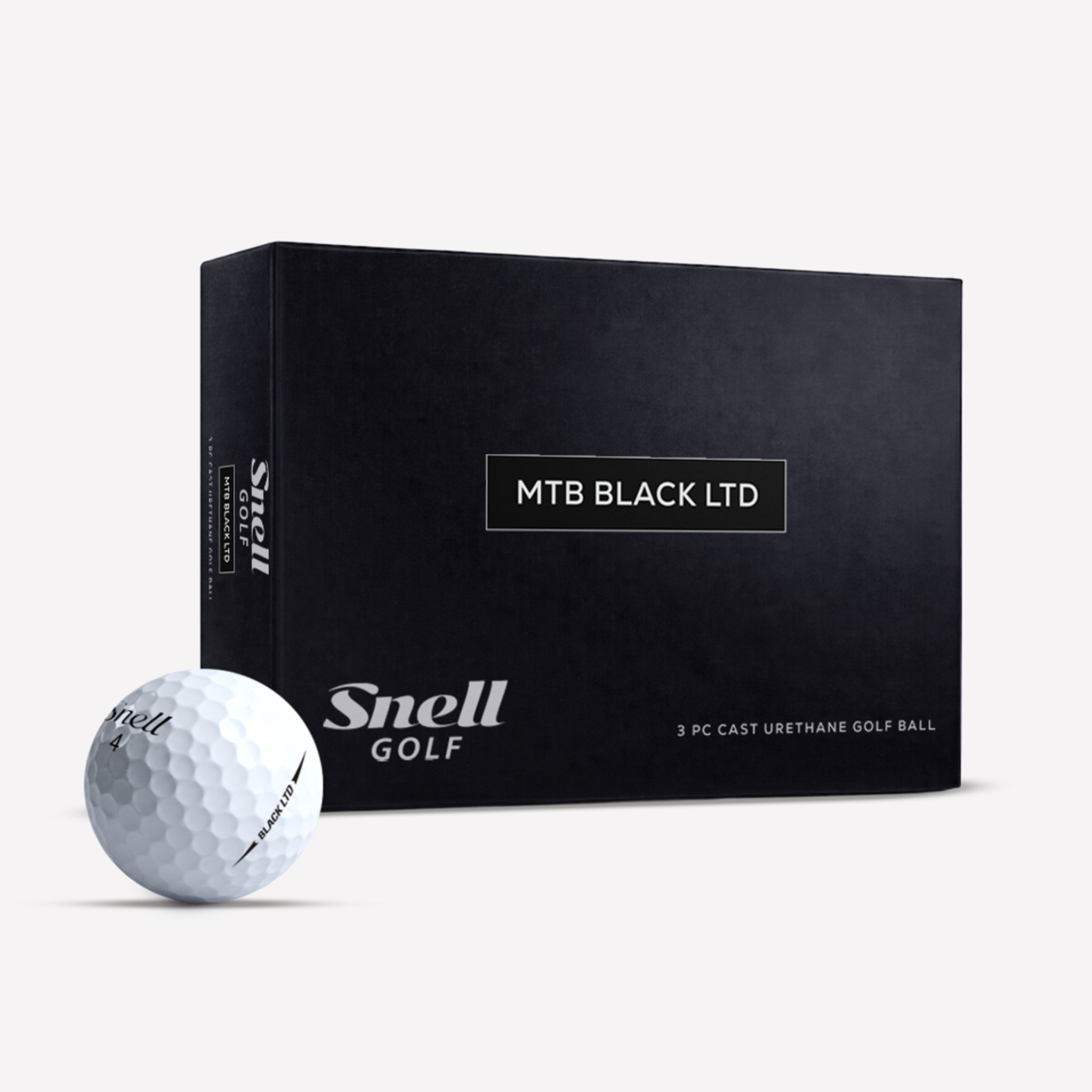 | MTB Black LTDSnell | 85 | — |
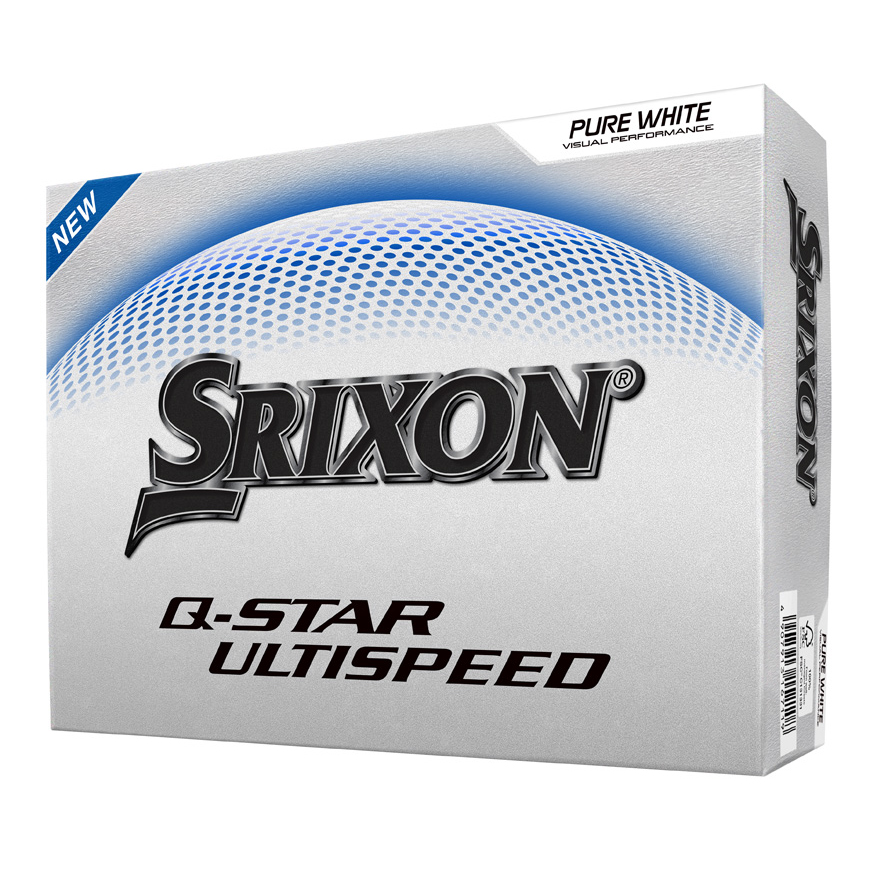 | Q-Star UltispeedSrixon | 85 | Srixon → |
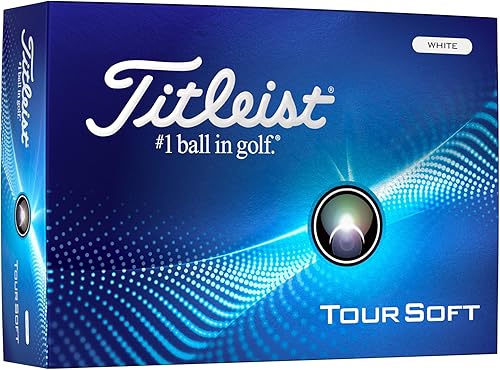 | Tour SpeedTitleist | 85 | — |
| TourVice | 85 | Amazon → | |
 | Prime DistanceWilson | 85 | Amazon → |
 | TourMaxfli | 88 | Amazon → |
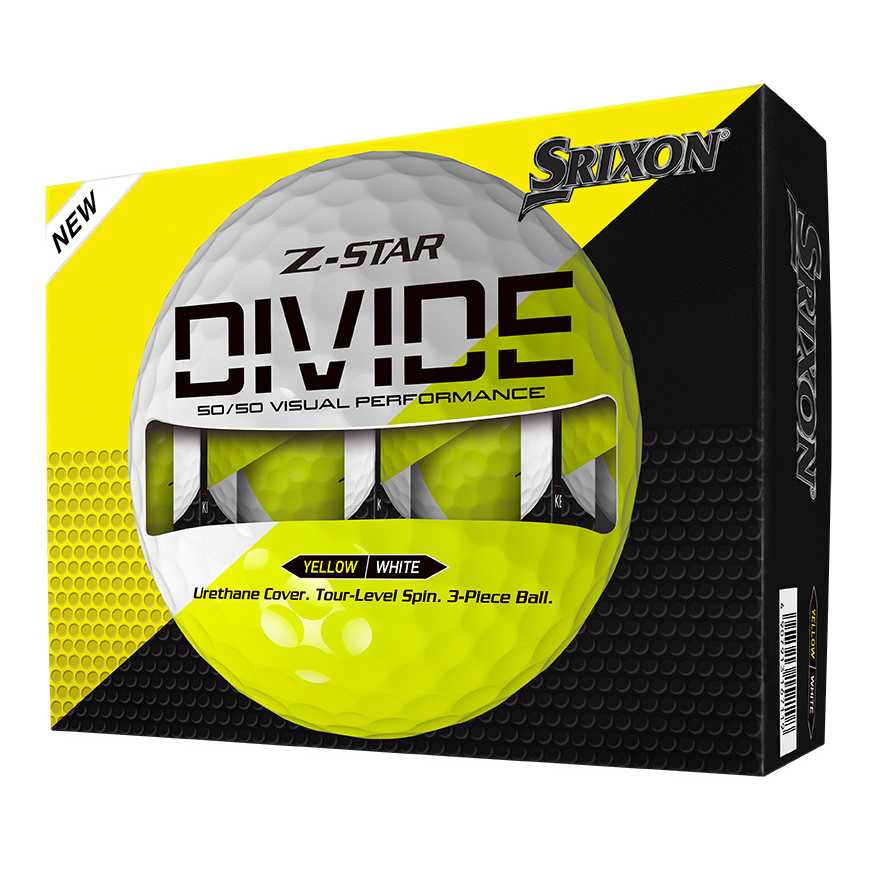 | Z-Star DivideSrixon | 88 | — |
 | Pro V1Titleist | 88 | Amazon → |
 | Pro V1 RCTTitleist | 88 | Amazon → |
| Staff Model RWilson | 88 | Amazon → |


Firm — Firm (90+)
(28 balls)| Ball | Model | Compression | Buy |
|---|---|---|---|
 | Mizuno Pro SMizuno | 90 | Amazon → |
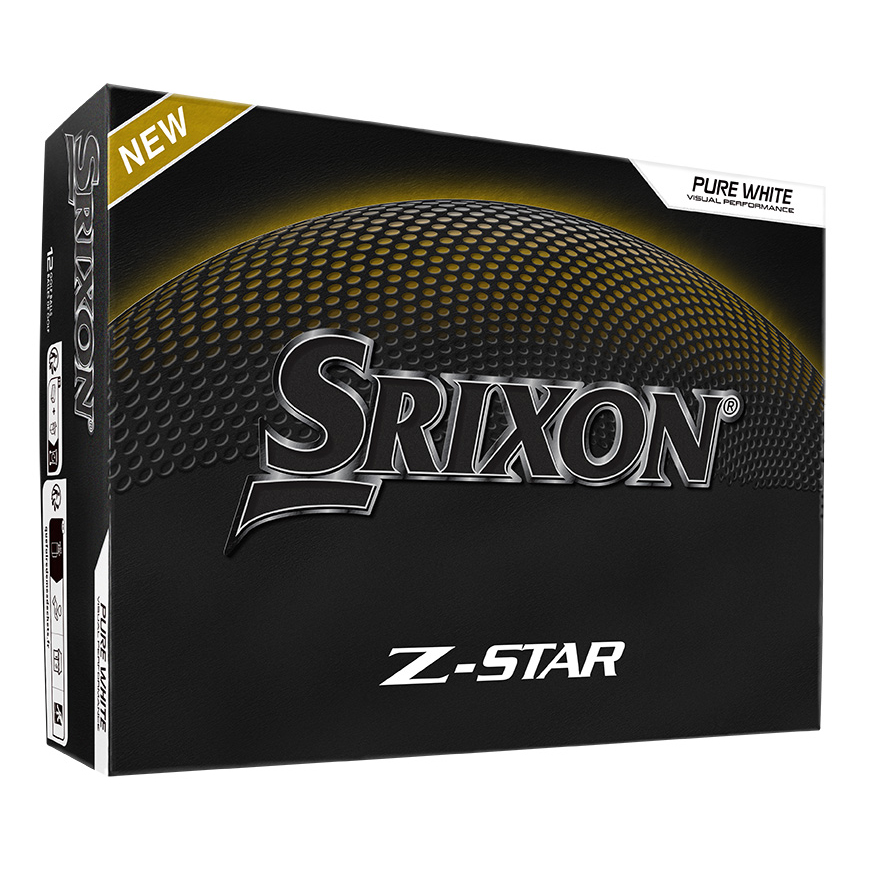 | Z-StarSrixon | 90 | Srixon → |
 | Staff ModelWilson | 90 | Amazon → |
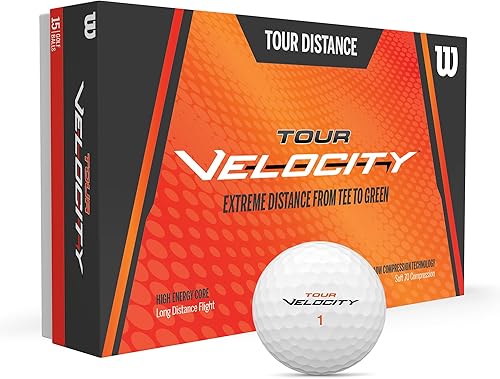 | Staff VelocityWilson | 90 | Amazon → |
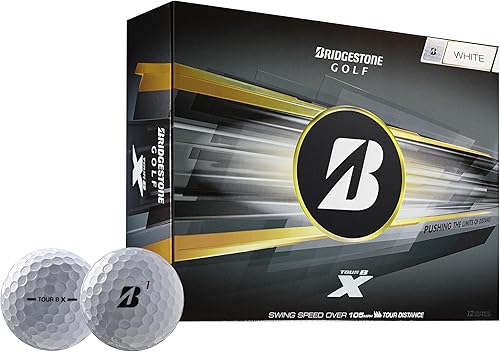 | Tour B XBridgestone | 95 | Amazon → |
| Cut DCCut Golf | 95 | Cut Golf → | |
| 3-Piece UrethaneKirkland Signature | 95 | — | |
 | RB MaxMizuno | 95 | Amazon → |
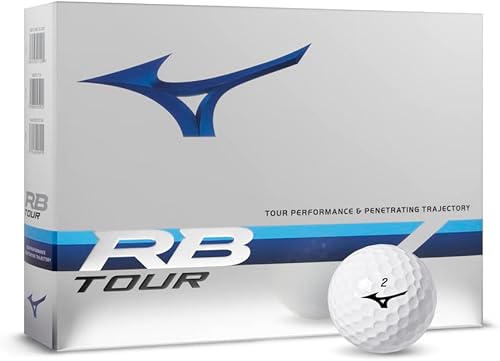 | RB Tour ProMizuno | 95 | Amazon → |
| VERO X2OnCore | 95 | Amazon → | |
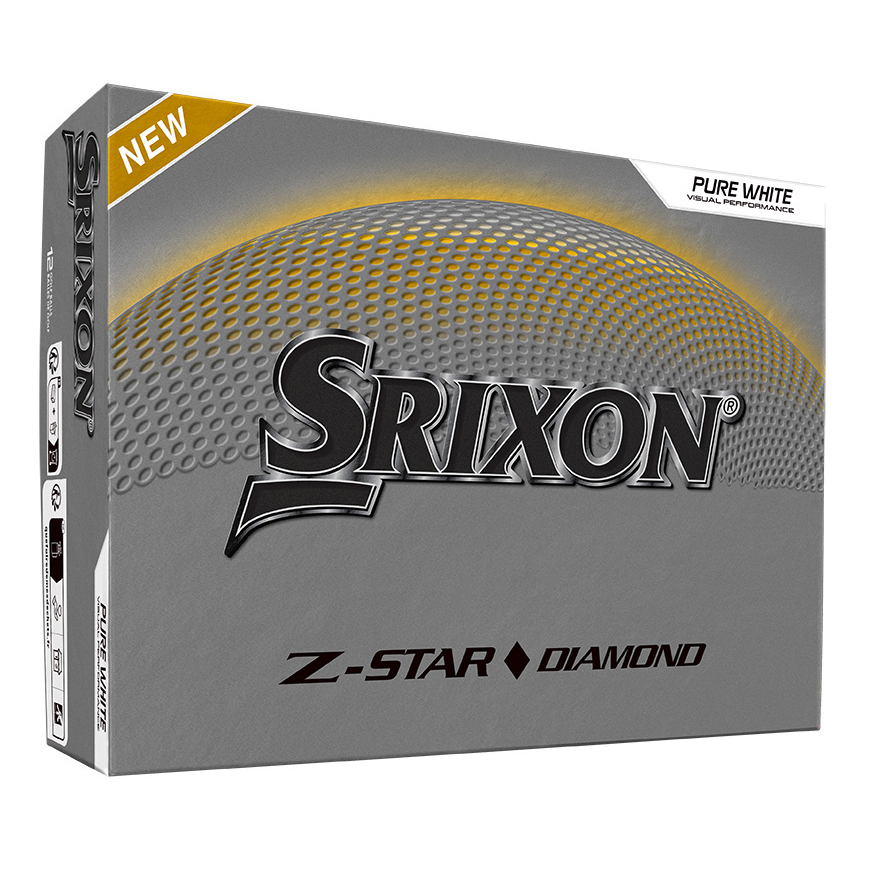 | Z-Star DiamondSrixon | 95 | Srixon → |
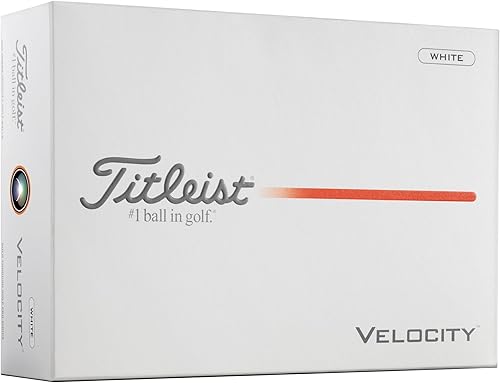 | VelocityTitleist | 95 | Amazon → |
| Hammer TourTop Flite | 95 | — | |
 | Pro PlusVice | 95 | Amazon → |
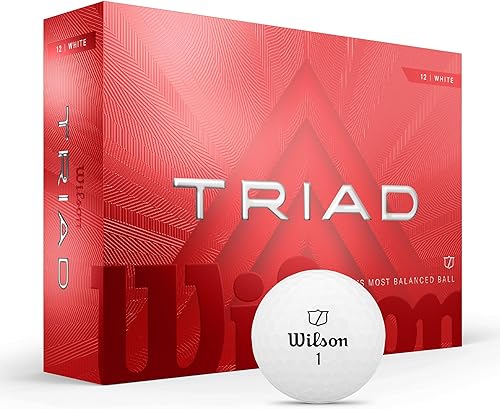 | TriadWilson | 95 | Amazon → |
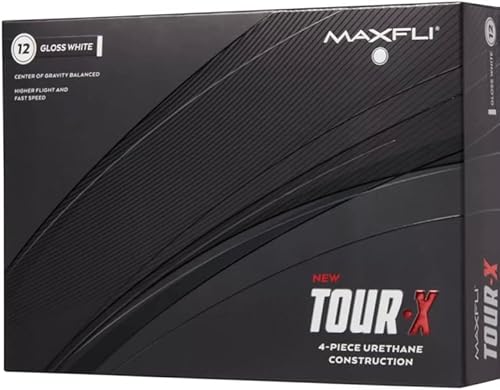 | Tour XMaxfli | 97 | Amazon → |
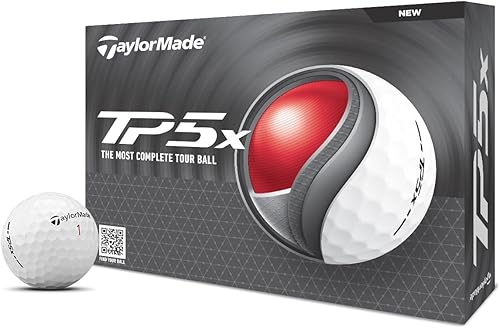 | TP5xTaylorMade | 97 | Amazon → |
| V2.0Kirkland Signature | 100 | — | |
 | Mizuno Pro XMizuno | 100 | Amazon → |
| Staff Model XWilson | 100 | Amazon → | |
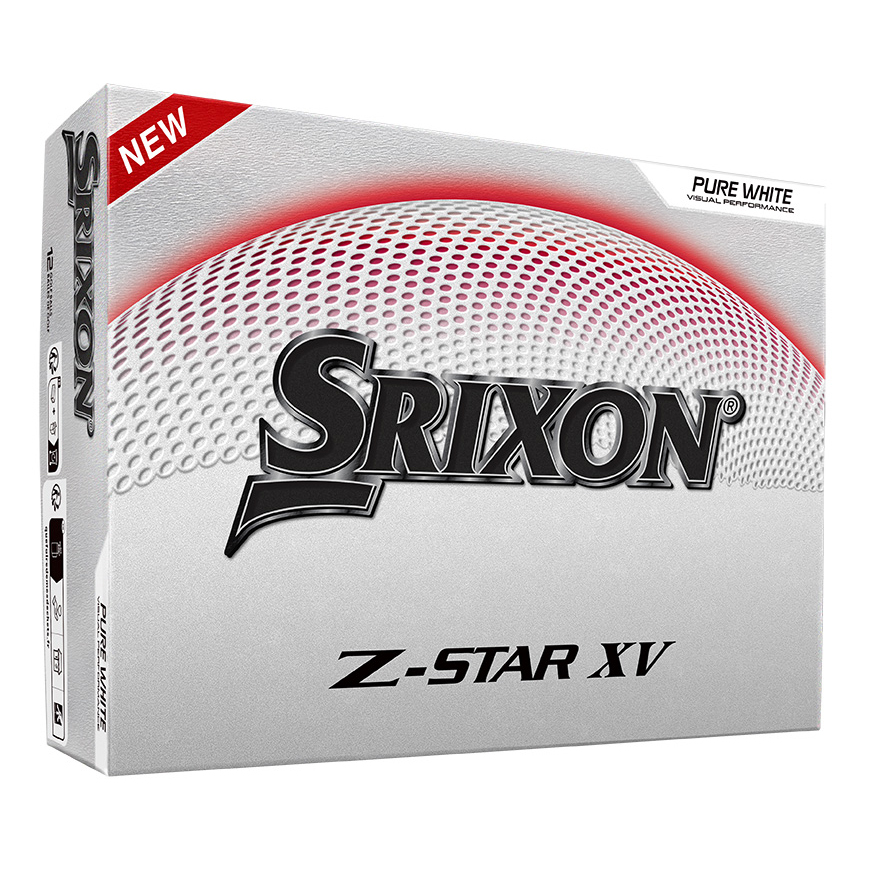 | Z-Star XVSrixon | 102 | Srixon → |
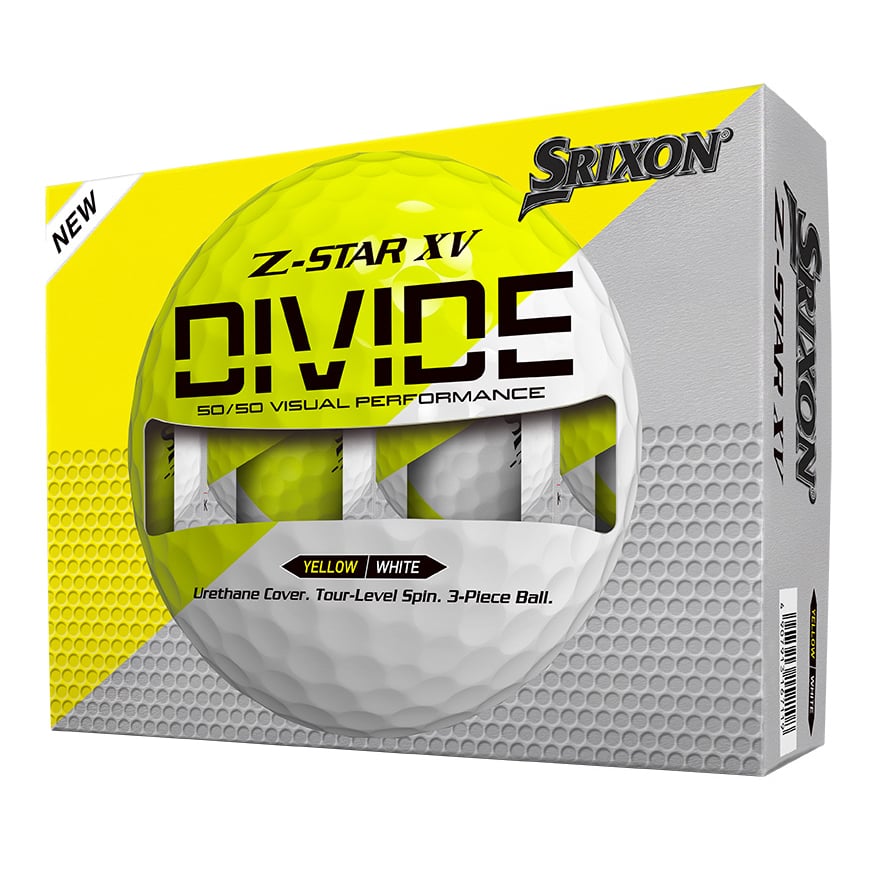 | Z-Star XV DivideSrixon | 102 | Amazon → |
 | e12 SpeedBridgestone | 103 | Amazon → |
 | Pro V1xTitleist | 103 | Amazon → |
 | Pro V1x RCTTitleist | 103 | — |
 | Pro V1x Left DashTitleist | 107 | Amazon → |
| RB TourMizuno | 110 | — |
 | RB Tour XMizuno | 110 | Amazon → |

Compression — frequently asked
What is golf ball compression?
Compression is a numerical measure of a golf ball’s relative softness or firmness. It is one design characteristic—not a complete performance score—and manufacturers may use different methods and equipment, so cross-brand numbers are directional rather than laboratory-equivalent.
What is the lowest-compression golf ball available?
TaylorMade SpeedSoft and Wilson Duo Soft share the lowest recorded rating in Stymie's current directory at 35. That identifies the bottom of this catalog, not a universal result across every manufacturer test method.
What is the highest-compression golf ball available?
Mizuno RB Tour and Mizuno RB Tour X share the highest recorded rating in Stymie's current directory at 110. Treat that as a catalog comparison, not proof that either model requires a specific swing speed.
What compression is the Pro V1?
Stymie's current catalog records the Titleist Pro V1 at 88 compression and the Pro V1x at 103. Titleist notes that compression is only one design element and that manufacturers measure it differently.
What compression should I use for my swing speed?
Do not choose from driver speed alone. Compression can help frame feel preferences, but cover, layers, aerodynamics, launch, spin, and short-game needs also matter. Use the bands as comparison labels, then test finalists from the green back to the tee.
Does compression affect distance?
Compression can affect speed, spin, trajectory, and feel, but a compression number alone cannot predict distance. The core, mantle layers, cover, dimples, club delivery, and impact quality all contribute, so Stymie does not assign a universal yardage gain to a compression band.
Does compression affect feel?
It contributes, but it is not the only factor. Lower ratings generally sit toward the softer end of a given test, while cover material and the full multi-layer construction also influence sound and feel at impact.