Wilson Triad vs Bridgestone Tour B X
Side-by-side specs plus estimated launch-monitor numbers — ball speed, launch, spin, and carry — at any club and swing speed.
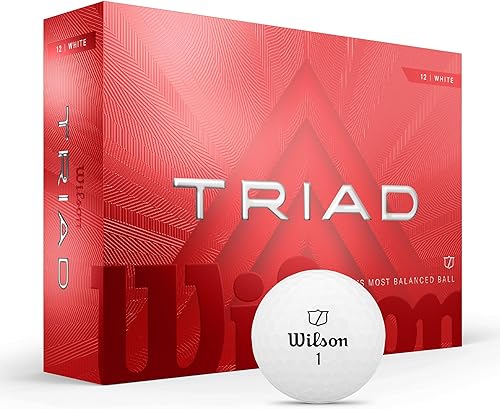

Tour · Ball A
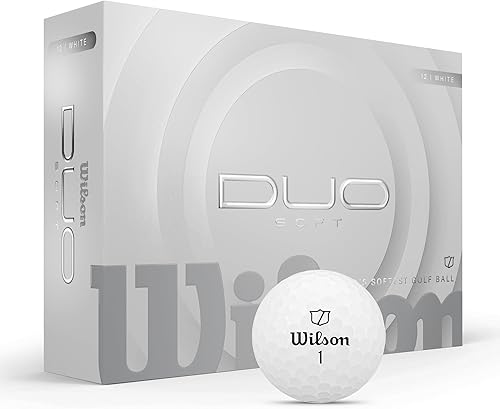
Wilson Triad
Compression 95 · Urethane · medium-firm
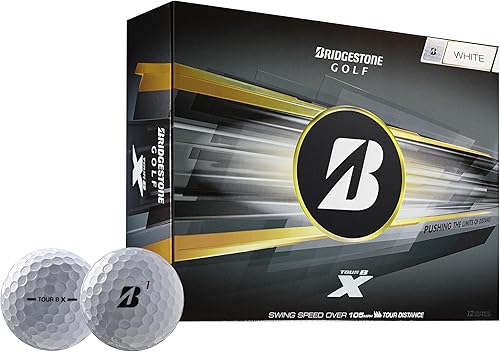
Tour · Ball B
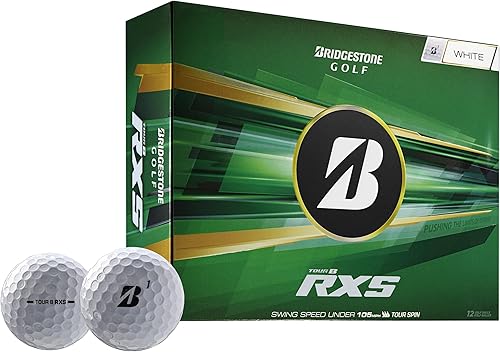
Bridgestone Tour B X
Compression 95 · Urethane · firm
Numbers update live as you slide. Use the form above to change either ball.
Estimated launch — Driver
B vs A delta
| Ball A | Ball B | Δ B − A | |
|---|---|---|---|
| Ball speed | 156.2 mph | 157.2 mph | +1 mph |
| Launch angle | 11.6° | 12.1° | +0.5° |
| Spin | 2,300 rpm | 1,700 rpm | -600 rpm |
| Estimated carry | 270 yds | 271 yds | +1 yds |
Estimated trajectory
All balls — Driver at 105 mph
Click any column to sort. Highlighted rows match the two balls above.























Wilson Triad vs Bridgestone Tour B X — frequently asked
Which is softer, Wilson Triad or Bridgestone Tour B X?
Both balls share the same compression rating of 95, so they will feel similar at impact. Cover and construction may still differentiate the feel slightly.
Does Wilson Triad or Bridgestone Tour B X spin more around the green?
Both have urethane covers, so both produce tour-level greenside spin (typically 9,000–11,000 wedge rpm). Differences come from compression, dimple pattern, and cover thickness — typically within a few hundred rpm.
What is the price difference between Wilson Triad and Bridgestone Tour B X?
Wilson Triad is $45.00 per dozen MSRP, Bridgestone Tour B X is $50.00. Amazon pricing is typically 15–25% below MSRP for both.
Which is the better tour ball, Wilson Triad or Bridgestone Tour B X?
Both are tour-tier balls. The Wilson Triad is a urethane-covered 4-piece ball, while the Bridgestone Tour B X is a urethane-covered 3-piece ball. Differences come down to compression and feel preference, not category.