Cut Golf Cut Grey vs Snell Prime 3.0
Side-by-side specs plus estimated launch-monitor numbers — ball speed, launch, spin, and carry — at any club and swing speed.

Premium · Ball A
Cut Golf Cut Grey
Compression 80 · Urethane · medium-soft


Premium · Ball B
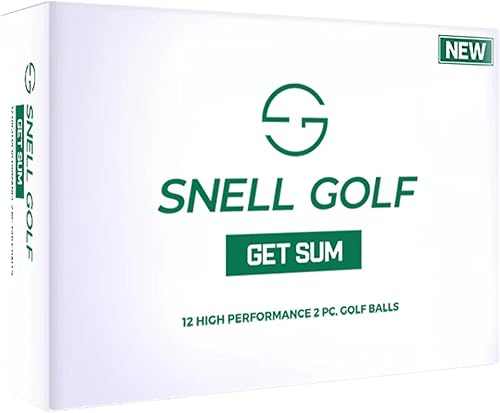
Snell Prime 3.0
Compression 85 · Cast Urethane · medium-soft
Numbers update live as you slide. Use the form above to change either ball.
Estimated launch — Driver
B vs A delta
| Ball A | Ball B | Δ B − A | |
|---|---|---|---|
| Ball speed | 155.8 mph | 156 mph | +0.2 mph |
| Launch angle | 12.4° | 12.4° | no change |
| Spin | 2,400 rpm | 2,650 rpm | +250 rpm |
| Estimated carry | 269 yds | 269 yds | no change |
Estimated trajectory
All balls — Driver at 105 mph
Click any column to sort. Highlighted rows match the two balls above.

























Cut Golf Cut Grey vs Snell Prime 3.0 — frequently asked
Which is softer, Cut Golf Cut Grey or Snell Prime 3.0?
The Cut Golf Cut Grey is softer at 80 compression vs Snell Prime 3.0 at 85 — a 5-point gap. Lower compression deforms more easily on slower swings.
Does Cut Golf Cut Grey or Snell Prime 3.0 spin more around the green?
Both have urethane covers, so both produce tour-level greenside spin (typically 9,000–11,000 wedge rpm). Differences come from compression, dimple pattern, and cover thickness — typically within a few hundred rpm.
What is the price difference between Cut Golf Cut Grey and Snell Prime 3.0?
Cut Golf Cut Grey is $25.00 per dozen MSRP, Snell Prime 3.0 is $29.99. Amazon pricing is typically 15–25% below MSRP for both.
Which is the better tour ball, Cut Golf Cut Grey or Snell Prime 3.0?
Neither is a tour-tier ball in this matchup. Cut Golf Cut Grey is premium; Snell Prime 3.0 is premium.